Disclosure: This post may contain affiliate links. We earn a small commission when you purchase through these links, at no extra cost to you. All opinions are our own.
Quick Answer: What’s the Best Smart Thermostat?
The Ecobee Smart Thermostat Premium is the best smart thermostat for 2026. It can provide air quality sensors, voice recognition, room sensors, and is compatible with all the leading smart home platforms. To the budget conscious, the Amazon Smart Thermostat with under $80 price tag provides very good value with Alexa support.
Why Upgrade to a Smart Thermostat?
Your home thermostat regulates more than half of the total power of your house. That’s a big deal. The best smart thermostat doesn’t just change temperatures. It not only gets to know your habits, it saves you money and eases up your life.
I have tried dozens of smart thermostats within the last ten years. Improvements in the technology continue to happen. With the current models, you can reduce your heating and cooling expenses by 10% to 23 a year. In the case of most homes, it will be saving them between 130 and 180 a year.
However, not every smart thermostat is the same. There are systems that are better in some HVAC systems. There are also others that require a C-wire that your house may lack. And privacy concerns? They’re real. I will tell you all you need to know.
Consider your present thermostat. Does it automatically adapt itself when you go to work? Are you able to adjust the temperature of your phone when you are on vacation? Is it smart enough to inform you when it is time to replace your air filter? All this and more is achieved by a smart thermostat.
Many people are satisfied with such convenience alone. When it happens to wake up in a warm house during winter without pressing a button. Or after a hot summer day, to do some perfect cooling. This is automated by smart thermostats.
Comfort is not the only thing, there is the environmental impact. Less energy will result in a reduced carbon footprint. A smart thermostat is one of the simplest modifications that can be made in case you are attempting to live in a more sustainable way.
The 6 Best Smart Thermostats of 2026
After hundreds of hours of hands-on testing, here are my top recommendations for every budget and need:
1. Ecobee Smart Thermostat Premium – Best
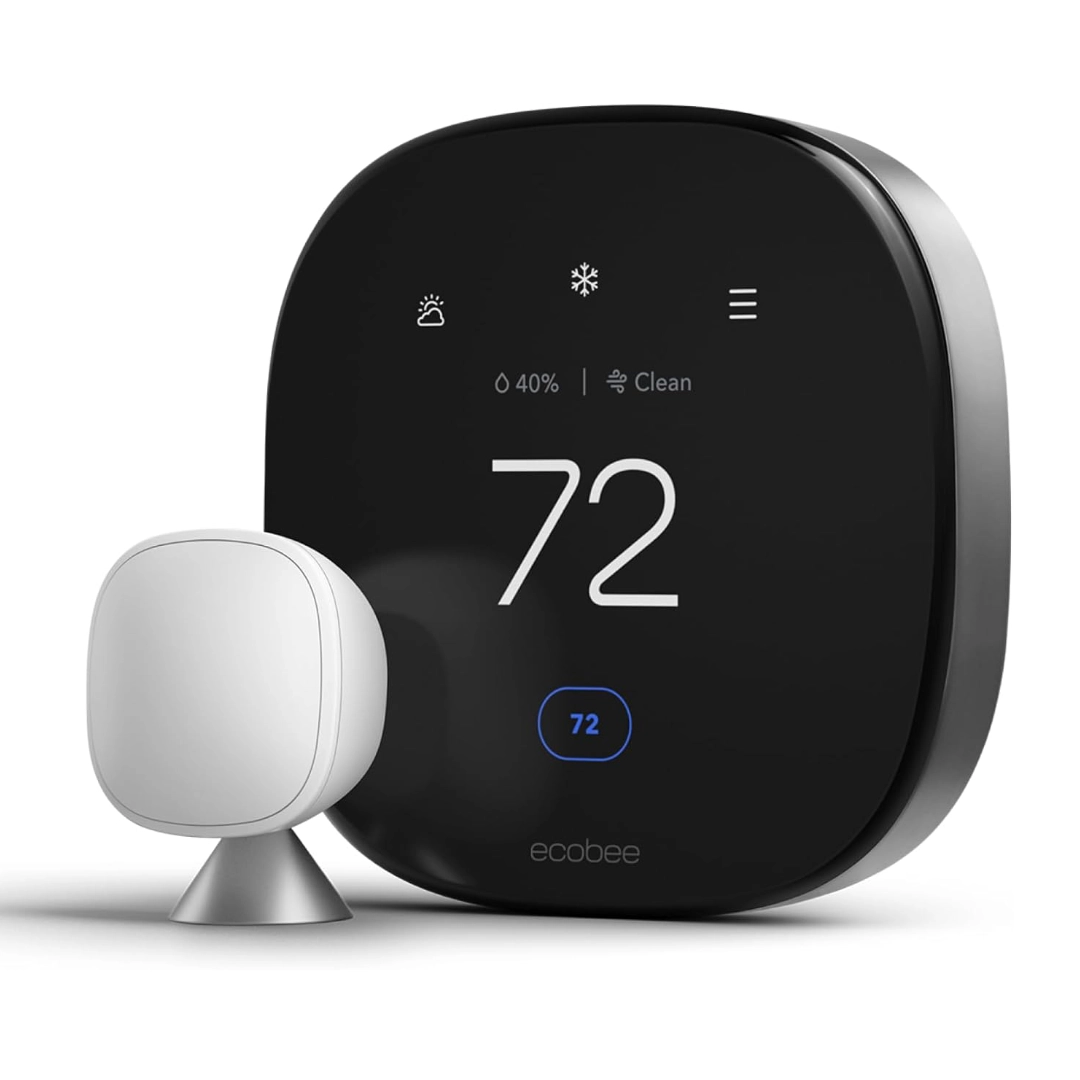
Stay comfortable and save energy with the ecobee Smart Thermostat Premium. Includes smart sensor, air quality monitor, programmable Wi-Fi control, and works with Siri, Alexa, and Google Assistant.
Best for: Homeowners who want the most features
There is a reason why the Ecobee Premium is on my list. This thermostat does it all. It measures the quality of indoor air, has a room sensor, and an inbuilt speaker, which supports Alexa or Siri. The touchscreen is sharp and sensitive with a size of 5 inches.
What sets Ecobee apart? The room sensors. Install them in other rooms and your thermostat sets the temperature in every room of your house. No additional refrigeration of bedrooms and the living room being ideal.
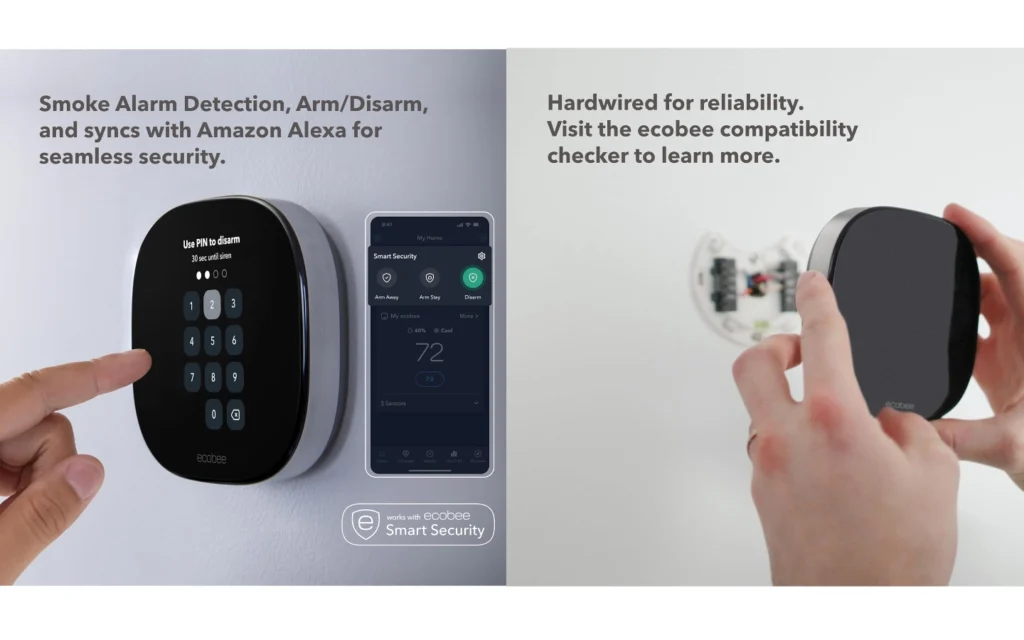
The process of installation was approximately 40 minutes. The application takes you through every process with easy to follow photographs. You will be confident even though you have never worked with the HVAC wiring. The Power Extender Kit that is included addresses the C-wire problem of older houses.
To my greatest surprise, there was the air quality monitoring. Last year, we made a decision of how to run the air purifiers based on the alerts during the time of the season. The humidity controller also eliminates problems of molds in wet weather. These capabilities are more than the temperature regulation.
2. Nest Learning Thermostat (4th Gen) – Best Design
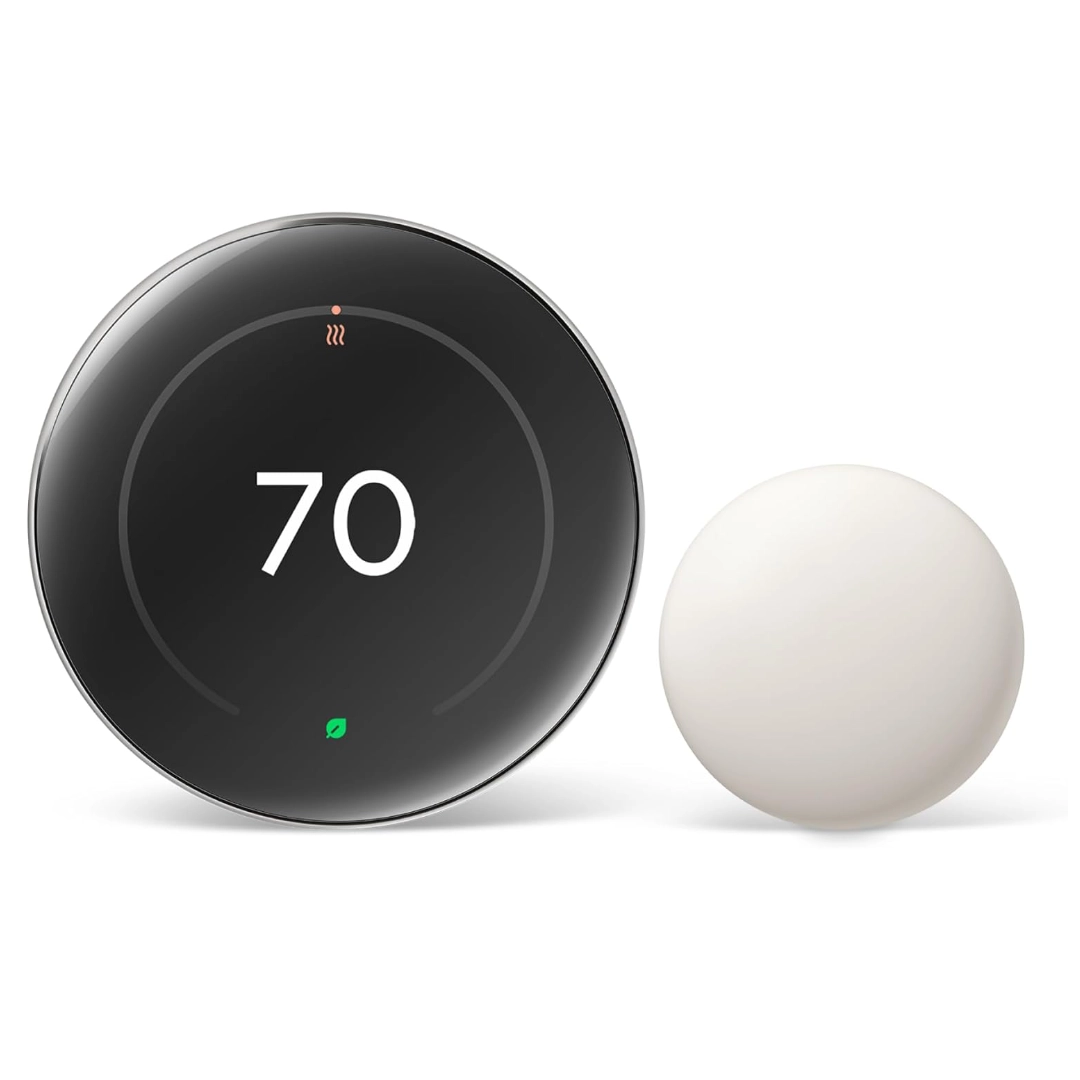
Google Nest Learning Thermostat (4th Gen) with Nest Temperature Sensor (2nd Gen) In Silver, Google Nest Learning Thermostat with Nest Temperature Sensor learns your schedule, balances the temperatures in each room and saves energy, smart and convenient climate control from anywhere.
Best for: Style-conscious buyers in the Google ecosystem
The new Nest Learning Thermostat of Google is beautiful. The circular screen presents weather effects. During cold weather, the snow falls. Evening is drawing near and it is time the sun sets. It is the loveliest thermostat on the market.
The learning attribute is brilliant. It automatically constructs a schedule after 1 week of hand-adjustments. The display is modified based on the distance of the new presence sensor. Best of all? No C-wire required.
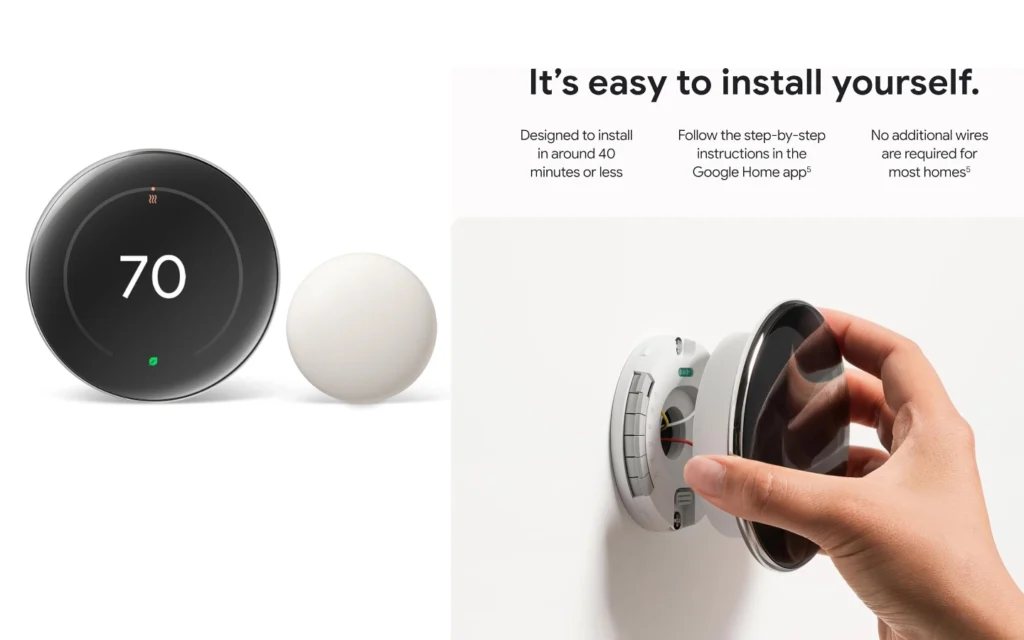
The Farsight functionality is really helpful. Approach the thermostat on the opposite side of the room and the display goes on displaying the temperature. No more tapping or waving. It just knows you’re there.
Integration is easy in case you already have Google Home gadgets. Temperature of any Nest speaker can be changed and it changes immediately. Nest app also displays finer energy history, making you realize your activity patterns.
3. Amazon Smart Thermostat – Best Budget Pick
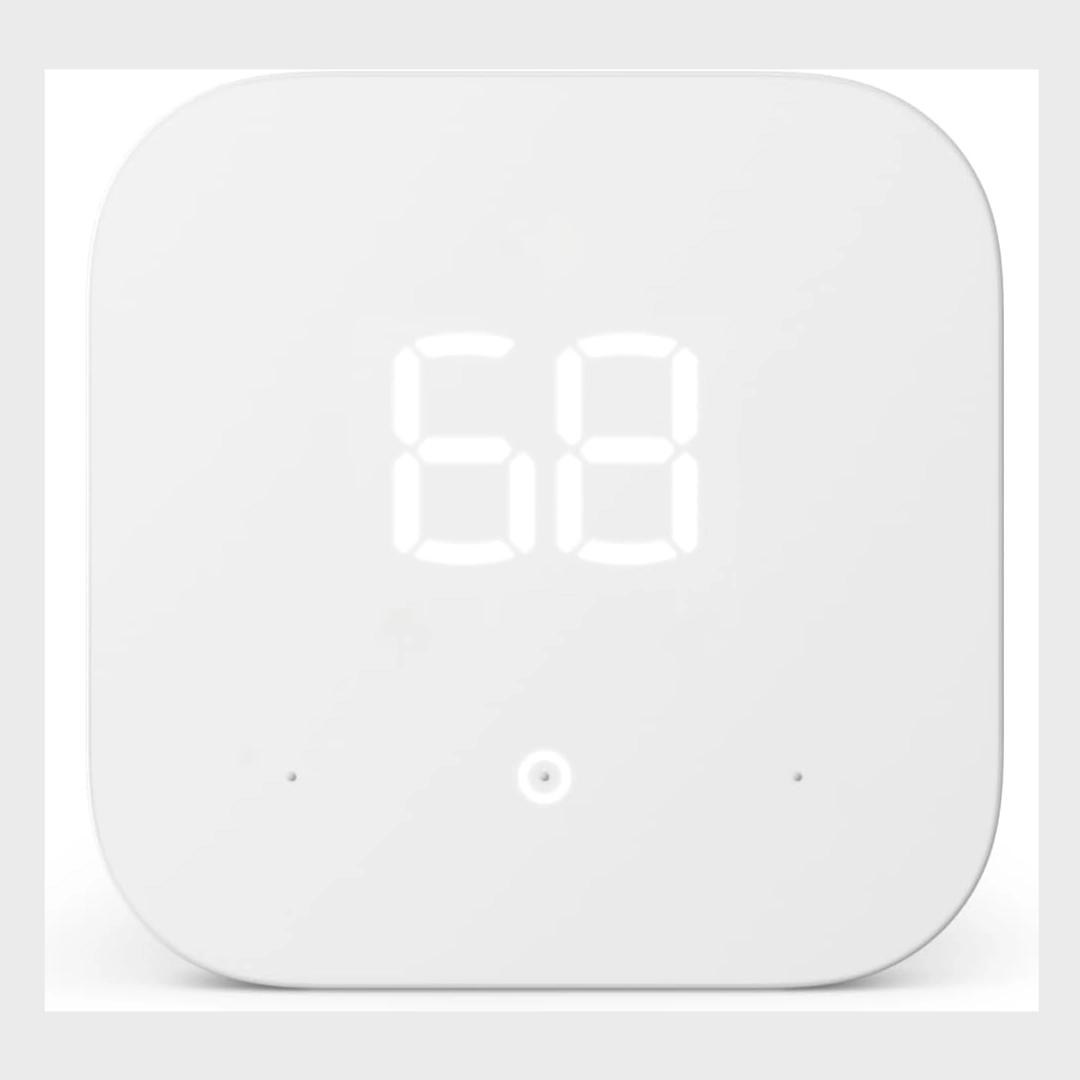
Amazon Smart Thermostat provides energy saving control, easy integration with Alexa voice control, simplicity of installation and the reliability to keep your home comfortable all year round.
Best for: Alexa users on a budget
Smart, not to be deceived by the cheap price. The thermostat by Amazon has some smarts. It learns your schedule. It makes use of hunching to automatically set settings. And it describes your energy consumption in understandable English.
The trade-off? Simple construction and none inbuilt sensors. However, when used together with an Echo Dot 5, you get room sensing with the speaker. For under $100, nothing beats it.
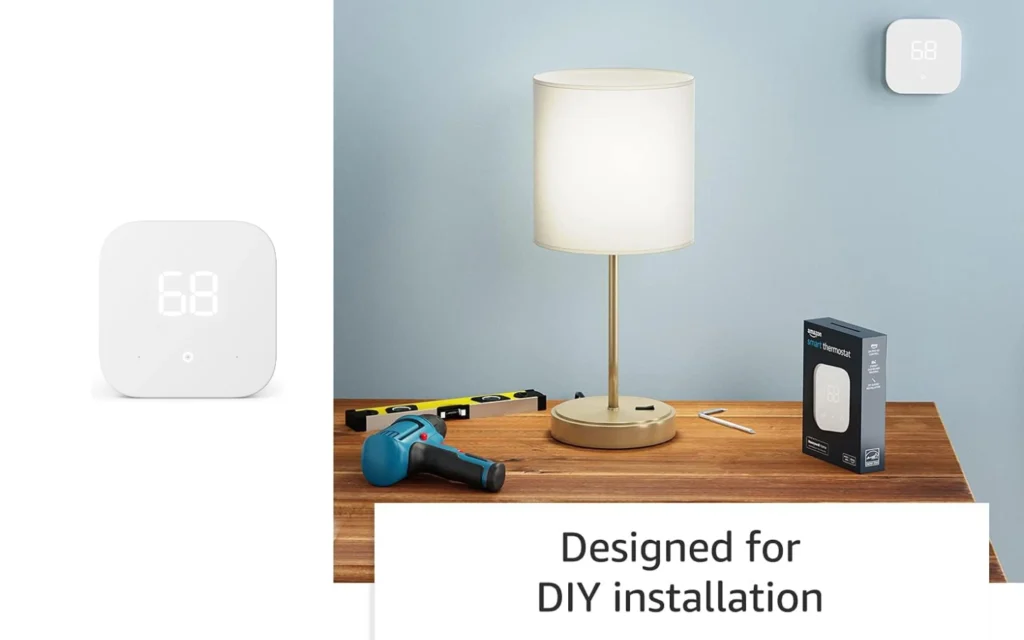
The installation of the product requires approximately 30 minutes via the Alexa app. The compatibility checker of the wiring is comprehensive. You will be aware of what happens when your system will not work before you purchase it. It is better than finding out the problems during installations.
I was surprised about the energy dashboard. It doesn’t just show numbers. It gives the meaning of these and proposes changes. This instruction is useful to first-time users of smart thermostats. You will get to know how minor changes can make a difference in terms of actual savings.
4. Sensi Touch 2 – Best for Manual Control
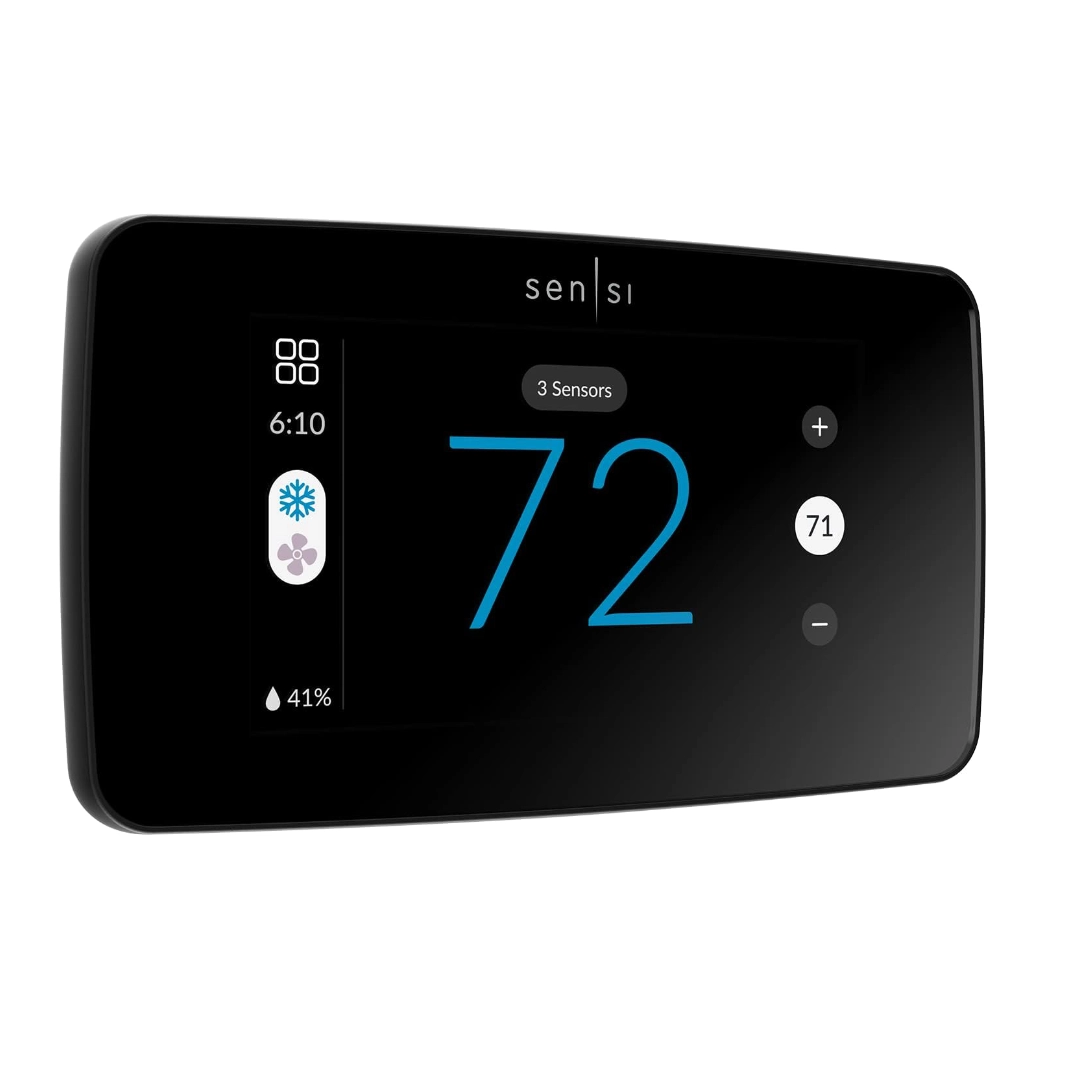
Upgrade comfort with Sensi Touch 2 Smart Thermostat Easy install, energy savings, smart control anywhere, sleek design, reliable performance guaranteed.
Best for: People who prefer traditional thermostat feel
Old and new are united in the Sensi Touch 2. The touchscreen is not unfamiliar, as a conventional programmable thermostat. However, on the inside, it has all the smart functions, application control, and a voice assistant.
Emerson had constructed this with HVAC professionals in mind and it reflects. The set-up application is good. The wiring labels are clear. And it is compatible with more systems than the majority of competitors.
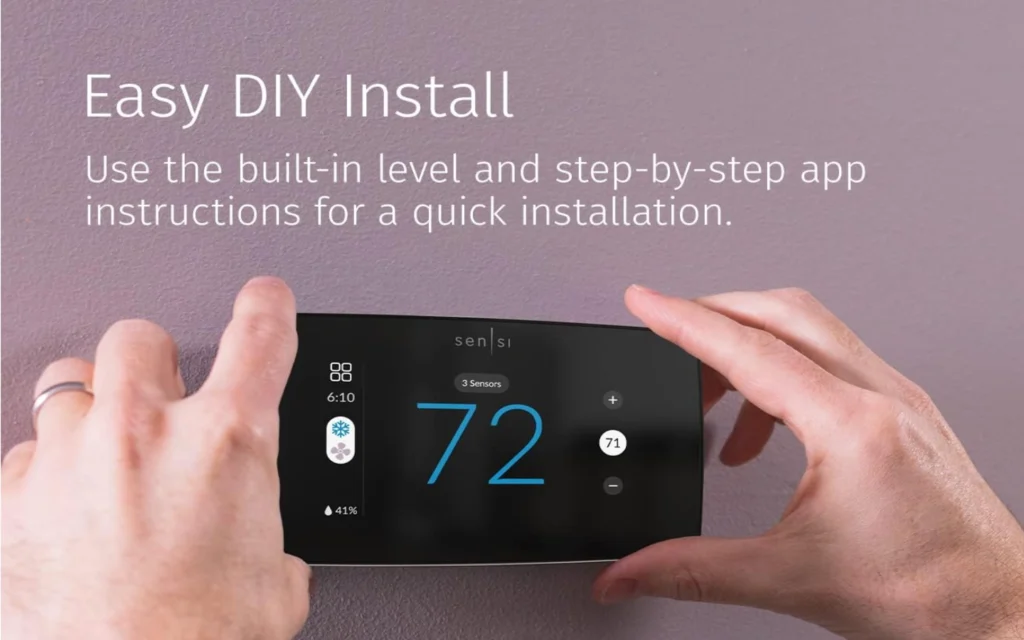
What I love most? The maintenance reminders. The customer thermostat monitors the run time and informs you that you need to replace filters or service. It is such a simple feature that can prolong the life of your HVAC system and avoid spending much money on its repairs.
The geofencing is also efficient. Get out of the house and the temperature changes automatically. Return, and comfort awaits. It is not so advanced as learning algorithms, but it is predictable and reliable.
5. Honeywell Home X8S – Best for Ring Users
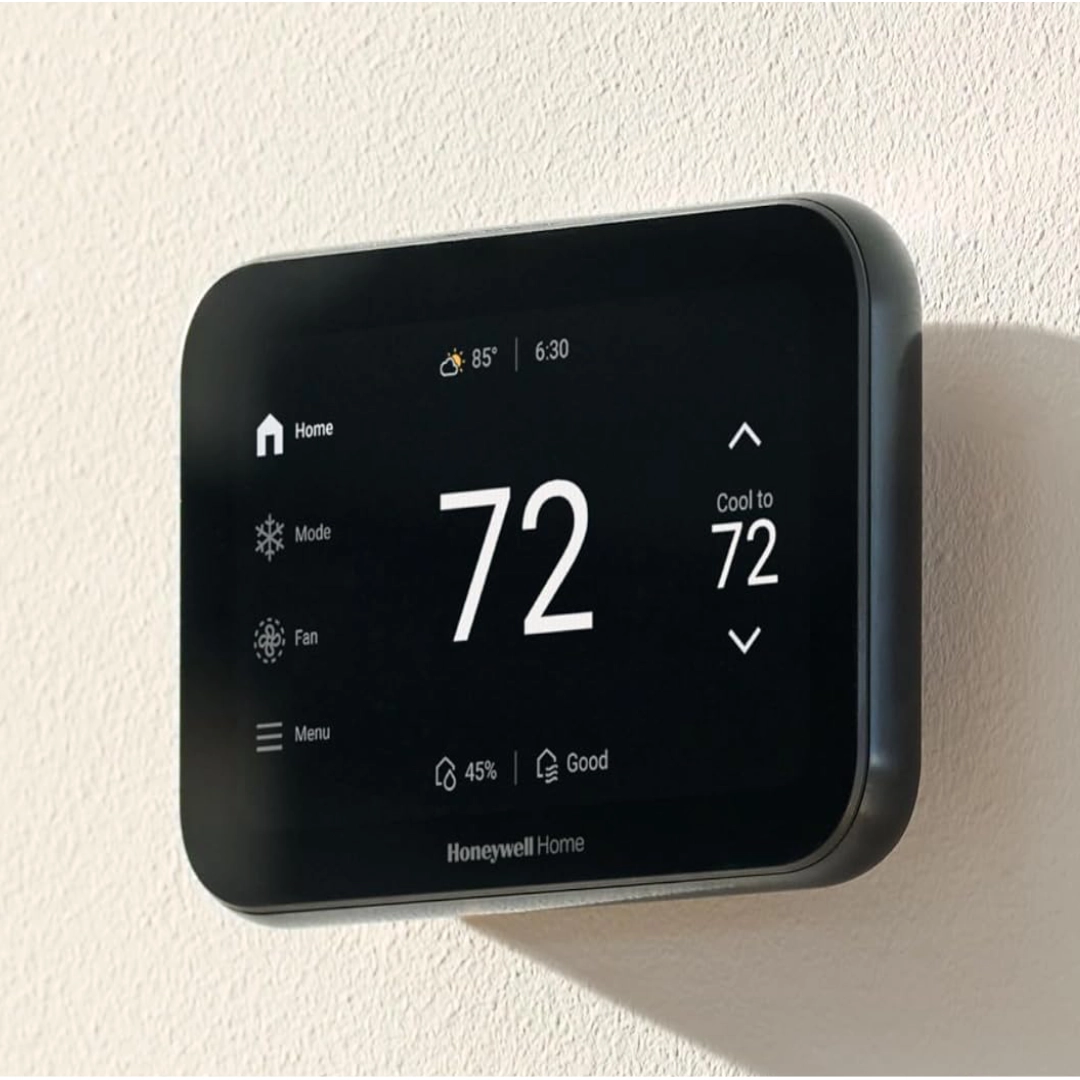
Control your comfort- Honeywell Home X8S Smart Thermostat brings you accuracy of temperature, reduced bills, and uncomplicated smart home ease.
Best for: Homes with Ring doorbells
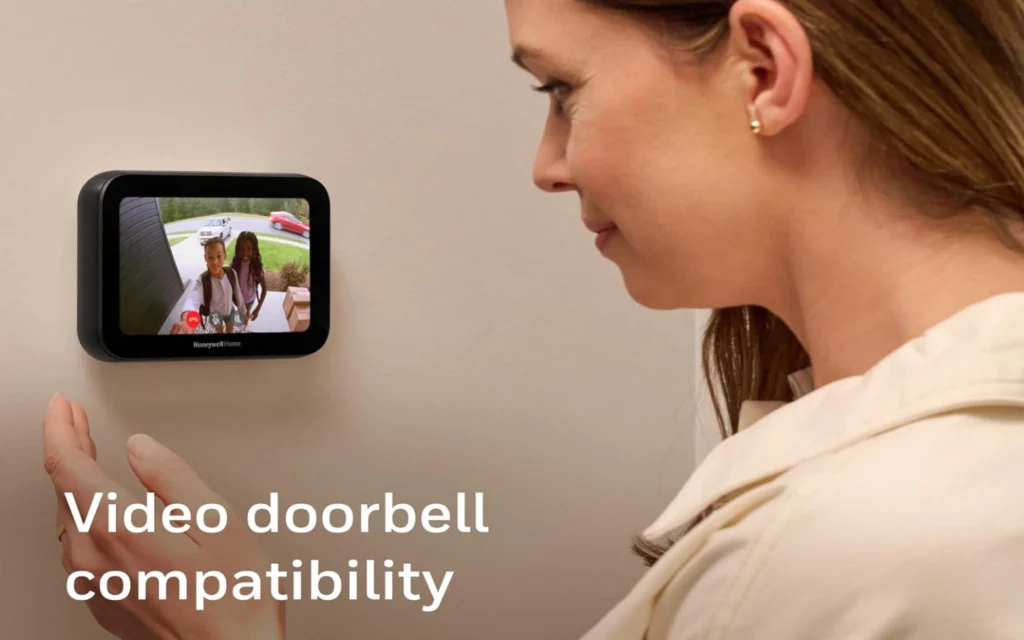
The X8S upgrade of Honeywell is a huge upgrade. The 5-inch screen displays live video of compatible ring and first alert doorbells. Communicate with guests at the press of a button. That’s genuinely useful.
In addition to a video feature, there is air quality monitoring, humidity tracking, and a room sensor. It supports all the major platforms Apple HomeKit, Alexa, Google, and SmartThings.
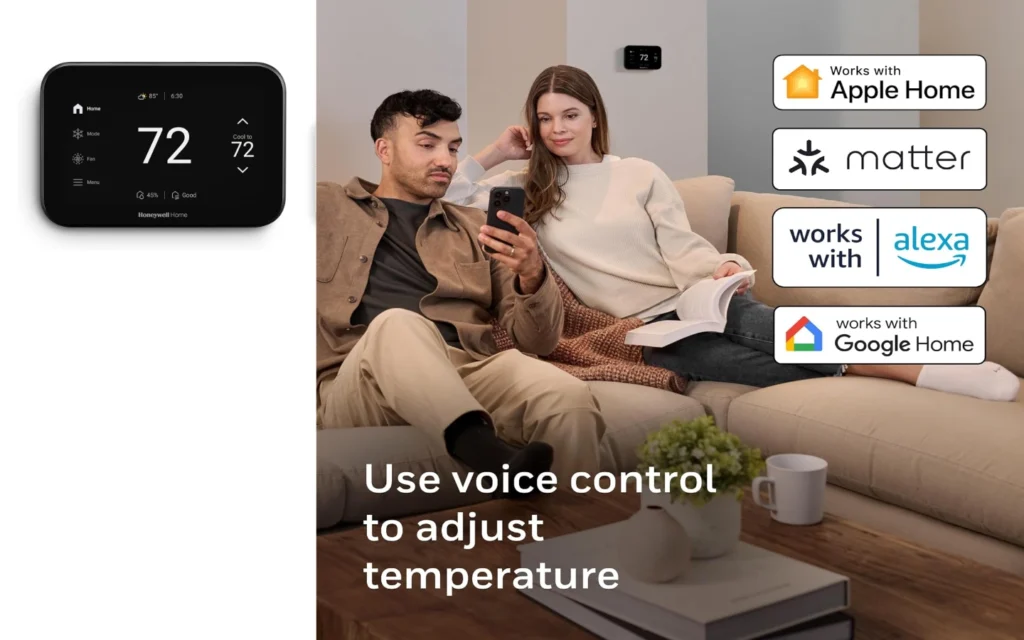
The history of Honeywell in HVAC is in the details. The wiring terminals are marked out. The app has elaborate instructions on troubleshooting. And customer service is even aware of thermostats, which is not true of some newer brands.
It has an impressive display customization. Select the information presented: weather, time, humidity, air quality or a combination thereof. The touch-screen is responsive and the interface is user-friendly even to non-technical people.
6. Ecobee Smart Thermostat Essential – Best Mid-Range
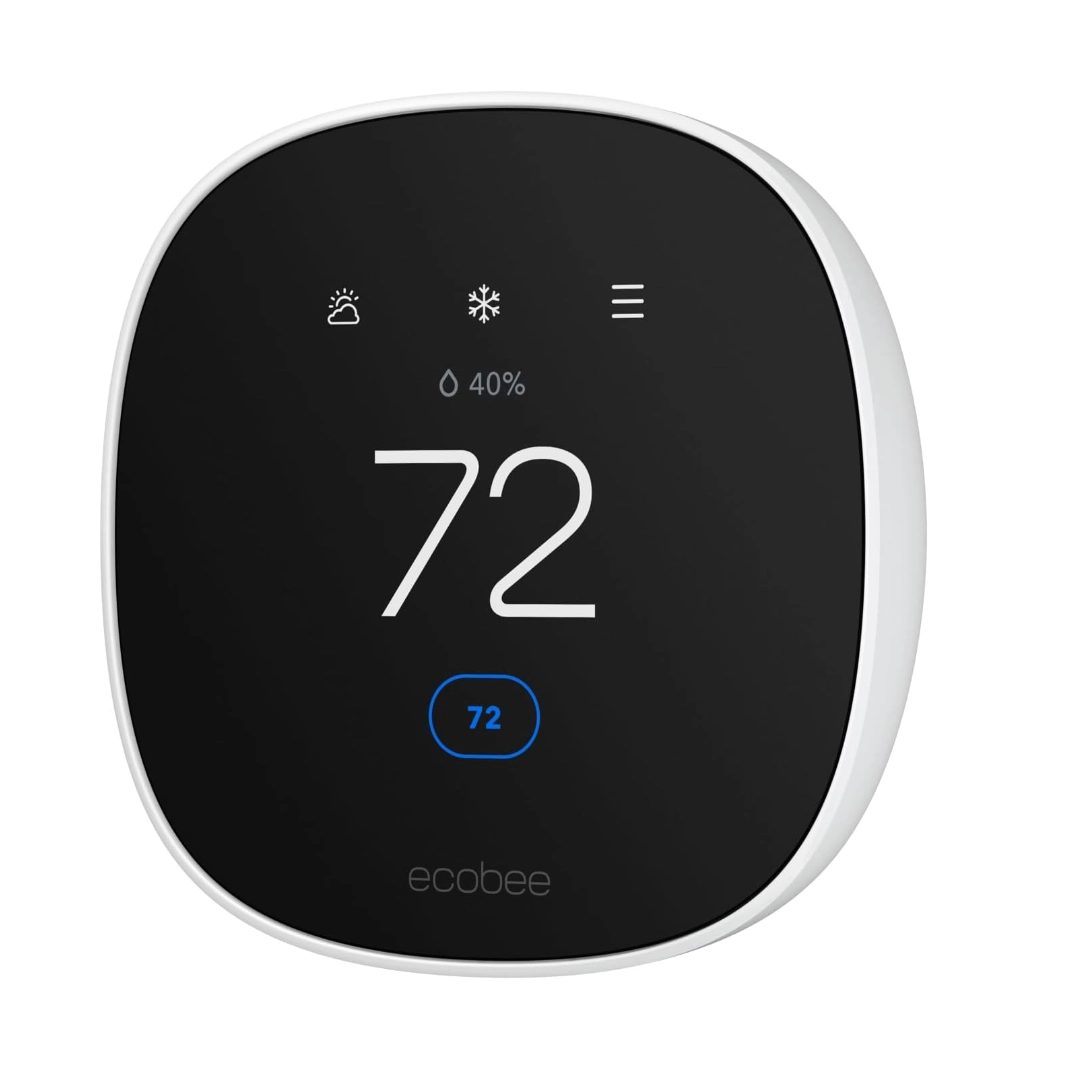
You need to stop wasting energy- ecobee Smart Thermostat Essential saves money, changes automatically, and makes every room in the house just as comfortable as possible.
Best for: Buyers wanting Ecobee features on a budget
The Essential model does not lose the things that make Ecobee great. The same good application, intelligent scheduling, and compatibility with the platform. The touchscreen is functional and sharp.
What did they cut? The sensor of air quality, in-built speaker and an in-built room sensor. However, it is possible to add sensors later. This is the feature price sweet spot to most of the homes.
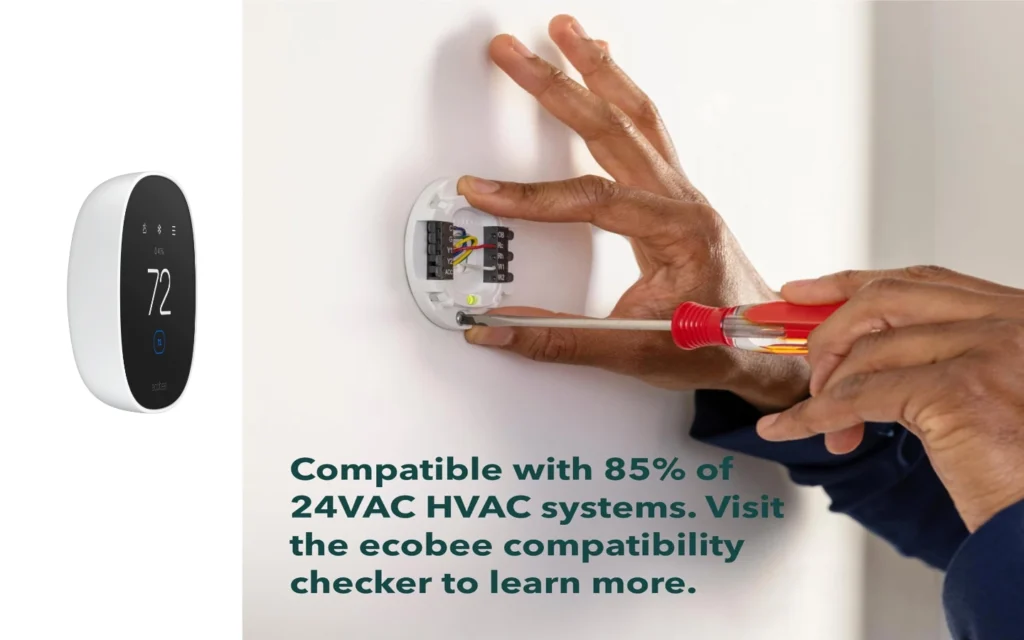
The time arrangement is especially fine. Put it down one time and the thermostat takes your preferences. Wake up hot, spend less when away and come home at ease. The energy reports indicate the savings in detail.
This is a great point of entry to renters or who are unfamiliar with smart homes. It brings actual gains without excessive sophistication. And in case you move you can carry it around and install it within minutes.
Smart Thermostat Comparison Table
| Thermostat | Price | C-Wire | Platforms | Best For |
|---|---|---|---|---|
| Ecobee Premium | $224 | Required | All Major | Best overall |
| Nest Learning | $280 | Not needed | Alexa/Google | Best design |
| Amazon | $80 | Required | Alexa | Best budget |
| Sensi Touch 2 | $210 | Required | Alexa/Google | Manual control |
| Honeywell X8S | $250 | Required | All major | Ring users |
| Ecobee Essential | $140 | Required | All major | Mid-range |
How to Choose the Right Smart Thermostat
Complete Test HVAC Compatibility.
Make sure that there is compatibility before purchasing something. The majority of the smart thermostats are compatible with regular heating and cooling systems. However, heat pumps, multiple stage system, and old furnaces require special care.
All the manufacturers provide an online compatibility checker. Use it. You can know immediately whether a thermostat can work or not by entering your present wiring setup. Don’t skip this step.
The typical types of common systems are single-stage heating and cooling, heat pumps with or without auxiliary heat and multi-stage type. There are thermostats that are capable of all the types, and those that are restricted. With a heat pump, compatibility is another factor that needs to be checked.
Record a picture of the existing wiring of the thermostat. This source is useful in invaluable amounts when it comes to installation. Install the stickers with the labels, and use them to match the letters of the terminals.
The C-Wire Question
Continuous power to your thermostat is supplied by the C-wire (common wire). The majority of intelligent thermostats require Wi-Fi, displays and sensors. This wire is not always available in old houses.
The good news is that in the event that you do not have a C-wire, you can use the following options:
- Utilize a spare wire: In most homes it is possible to find an unused wire that is buried within the wall.
- Add a C-wire adapter: Ecobee, Nest, or third-party kits overcome this with ease.
- Select no-C-wire model: The Nest Learning Thermostat (4 th gen) is compatible with no C-wire.
- Hire a professional: One can run a new electric wire in 30 minutes.
Checking to take place C-wire, make certain that power is off at your breaker. Take out your old thermostat and go to the wall plate and find a wire which is attached to a terminal marked C. If you see one, you’re all set. Otherwise, look in the wall to see whether there are any unused wires.
C-wire adapters are used by recycling existing wires. An example was the Ecobee Power Extender Kit which integrates the G (fan) and Y (cooling) to release a wire to allow C connection. The installation requires an additional 15 minutes during installation.
Smart Home Platform
The current smart home configuration is important. In the event that you have Alexa in the rest of your house, the thermostat of Amazon is rational. HomeKit compatibility should be the primary matter of Apple users.
Nest should be considered by Google Home fans.
Ecobee and Honeywell deal in nearly anything. That’s their advantage. You are not going to be trapped into one ecosystem.
Take into account preference of voice assistants as well. An Alexa-compatible thermostat is a natural extension in case you often command Alexa to turn on or turn off lights and music. This can be said about Google Assistant and Siri. Voice control is easily learnt.
Automation routines are also to be considered. Will you have your thermostat to change in locking your smart door? or in case your security system arms? These enhanced automations are made possible through broader compatibility.
How Much Can You Really Save?
Let’s talk numbers. According to the estimates of the U.S. Department of Energy, smart thermostats reduce heating and cooling expenses by 10-15 percent. Ecobee boasts of a saving of up to 26% among its users.
To a normal household that spends 150 a month on utilities, that translates to 180 to 470 savings per year. The majority of smart thermostats pay even faster than 12 to 18 months.
Some of the sources of savings are as follows. Programmable failures when absent save heating or cooling an empty house. Learning algorithms help you to optimize your schedule and no longer have to program them manually. And energy reports will make you find wastage.
Climate matters too. Homes located in harsh climates conserve more energy since they operate their HVAC systems more. A Minnesota winter or Arizona summer will imply larger possible savings compared to the mild weather in California.
Home efficiency is also an influencer of results. A Smartly scheduled home should be well insulated with modern windows. Pre-existing drafty houses also qualify as beneficiaries but the percentage amount saved might be less.
Monthly Bill | 10% Savings/Year | 23% Savings/Year |
$100 | $120 | $276 |
$150 | $180 | $414 |
$200 | $240 | $552 |
The amount of money you save will really depend on weather, size of your house, the insulation and the zeal with which you use the features that help save energy. However, meaningful reductions are perceived by almost everybody.
Installation: amateurish or professional?
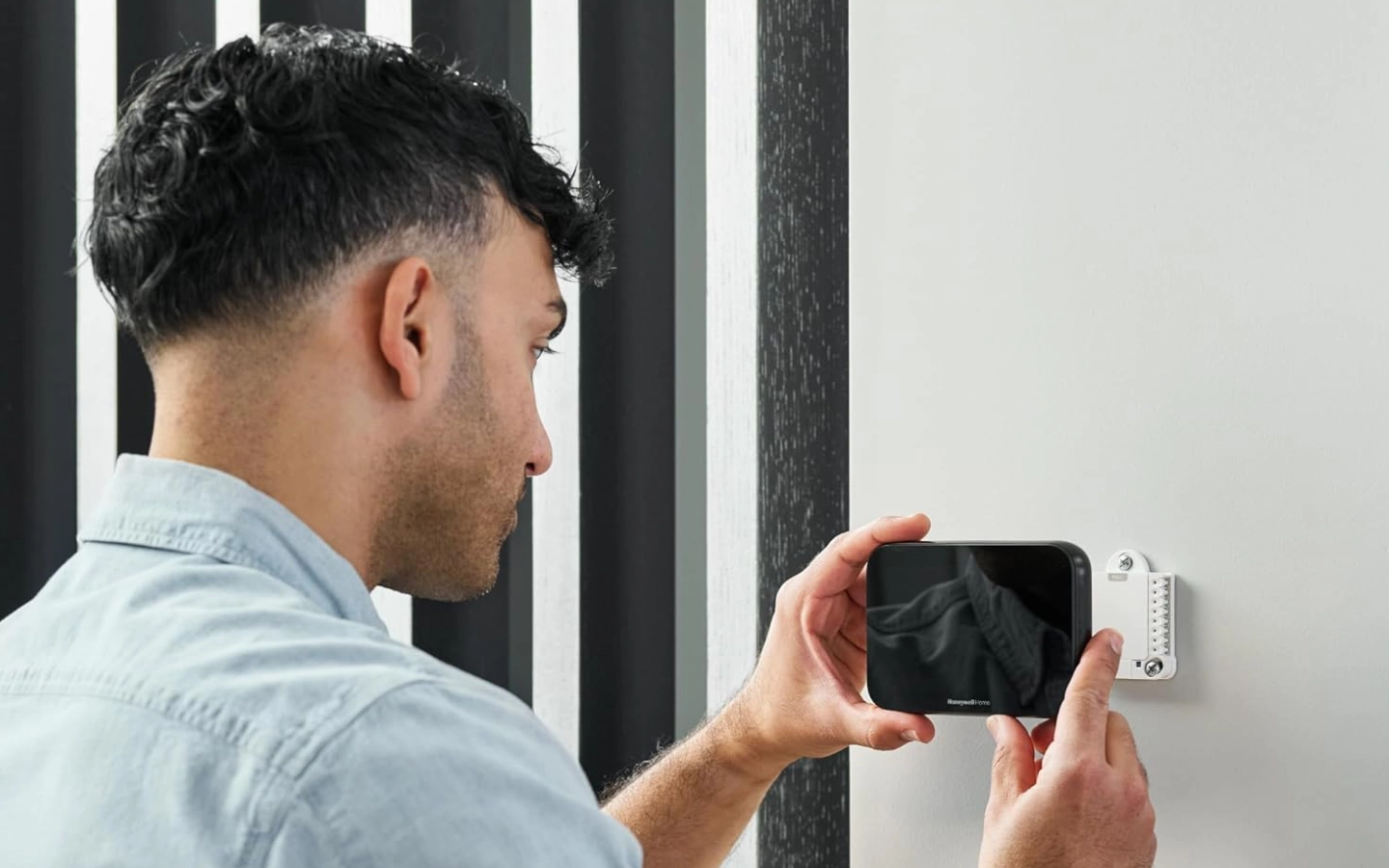
The vast majority of smart thermostats can be installed by users. This normally takes a period of 30 to 45 minutes. Here’s what to expect:
- Turn off power to your HVAC from the breaker.
- Remove your old thermostat and take a picture of the wiring.
- Write the name of each wire using the stickers provided.
- Put the new base plate and wire connections
- Examine the display and reinstate power.
- Adhere to the instructions of the app set-ups.
When should you hire a pro? In case your system has no C-wire you do not feel comfortable with electrical wiring call an HVAC technician. The cost is usually $100 to $150. Professional installation is also applicable to complex systems where there are heat pumps or several zones.
The following tools will be required:
screwdriver, the drill with small bit (wall anchors), and, perhaps, a wire stripper. All other things are included in most of thermostats. Manual must be read thoroughly before proceeding to start.
Unusual installation errors are not switching off power (poisonous), improper matching of labels of the wires (this leads to malfunctions), and improper fixation of wires (this leads to intermittent connections). Take your time and double check each connection.
Once the installation is done, experiment with all modes: heating, cooling and fan-only. Test each of them a few minutes to make sure they work. Eliminate problems as they occur and not learn about them during the severe weather.
Concerns on Privacy and Security.
Smart thermostats contain data. They are aware of your home time, your sleeping time and your temperature. This data may expose your day to day activities.
What Data Do They Collect?
- Items that you adjust in terms of temperature.
- Occupancy patterns, presence detection
- HVAC Hourly Run and Energy Usage.
- Location data (geofencing is on)
This data is used to help thermostats optimize your comfort and your savings. However, it also provides you with a detailed image of your daily life. A perpetrator would know when you are not at home, and this may tell them good breaks to burglarize your home.
Protecting Your Privacy
To reduce the danger of privacy, do the following:
- Have good and distinct passwords to your thermostat account.
- Two-factor authentication is enabled in case it is available.
- Keep firmware up to date to patch security vulnerabilities.
- Audit and purge history on a regular basis.
- Turn off things that you are not using such as geofencing.
The best privacy policies belong to Ecobee and Nest. They do not sell your data to the third parties. The thermostat offered by Amazon brings up further questions of privacy, since they have more data collection activities.
You can think of using another email address to your smart home devices. This will restrict exposure in case a service is breached. Review privacy policies annually, too, and they may be modified based on ownership or doing business.
Frequently Asked Questions
A: Most work with normal forced air, heat pump, and boiler systems. Nonetheless, compatibility is different. Always verify the compatibility tool of the manufacturer and then purchase. There are systems such as millivolt heaters which need certain models and there are high voltage baseboards that need certain models.
A: The majority of homeowners are capable of doing DIY installation within 30 and 45 minutes. The applications offer instructions step by step. Yet, when you do not feel comfortable working with electricity or have a complicated system, professional installation (100-150) may be a good option.
A: Your thermostat keeps regulating the temperature based on its previous settings and program schedule. It only goes dead for remote access and other smart features until Wi-Fi comes back. Simple sources of heating and cooling are sure.
A: Yes, in most cases 10% to 23% on heating and cooling costs. On average that is $130 to 470 per year to most houses. The thermostat recovers itself in 1-2 years. The saving varies according to your weather, your house efficiency as well as use of the features.
A: Most smart thermostats need a C-wire to have power. There are however solutions in the event that you do not have one: use a C-wire adapter, select the Nest Learning Thermostat (4th gen) that does not require one, or get an electrician to install a C-wire.
A: Yes, but consult your landlord first. The vast majority of smart thermostats are easily removable, and you can replace the original thermostat. There are landlords who will even recompense you as it is in their interest. Battery operated products such as Sensi Lite are particularly friendlier to renters.
A: Programmable thermostats work according to schedules that you manually set. Thermostats get to know your preferences as time passes and automatically generate timetables. Learning models require less work in programming but may take a week or two to optimize.
A: Reputable brands have encryptions and security best practices. Nonetheless, there is none of the connected devices that is absolutely safe. Use strong passwords, enable two-factor authentication, and keep firmware up-to-date. Most users have a low risk of privacy.
My Personal Opinion
I have tried smart thermostats in more than 15 years, and the technologies have changed dramatically. My honest take? Majorities of the population overanalyze this decision.
My driving car is the Ecobee Premium. My family has actually benefited because of the air quality alerts. When the number of pollen soars, we understand that it is better to close windows and to start air purification.
Our upstairs-downstairs temperature fights were done away with by the room sensors.
The thing is however, that any intelligent thermostat by a big name will do you right.
The Amazon thermostat costs 80, and it provides 80 percent of the features at a third of the cost. Begin there, in case of budget concerns. You can always upgrade later.
My biggest frustration? Privacy. I trust Ecobee and Nest even more than Amazon with my domestic data. That matters to me. Your priorities may differ.
The last hint: utility rebates should not be neglected. A variety of power companies provide installer rebates between $50 and $100 on installing ENERGY STAR certified thermostats. Make sure to look at the utility web site prior to purchase. I have observed the Ecobee Essential to drop to rebates under 90.
Final Thoughts
The best smart thermostat of 2026 depends on your specific needs. The Ecobee Premium has the highest number of features. The Nest Learning Thermostat appears the best. The Amazon thermostat provides unmatched value.
You do whatever you like, you are making a shrewd investment. Lower energy bills. Greater comfort. Anywhere Remote control. These gadgets are real life enhancers and are self-financing.
Allow time to research compatibility, take both your smart home arrangement and the features that are the most important to you into consideration. Now go ahead and make your decision. Your later self will be glad when the first smaller utility bill comes.
The contents of this post are purely educational. Although these fixes have been effective to me and many others, networking problems are very diverse. You may not like working with the command line, or modifying configuration of your system, in which case you may wish to seek professional assistance. Before making significant changes in the system, always make sure to save key information.