
Fast Facts: What You Need to Know.
Smart home installation connects devices like lights, thermostats, cameras, and locks to a central system you control from your phone or voice. The cost of a full setup ranges between 1,500 and 6,000 dollars among the owners of the home, with DIY setups can be acquired at as low as one hundred and fifty dollars.
Professional smart home installation services handle wiring, device pairing, and system configuration, while DIY routes work well for simpler wireless devices.
The DIY type of installation best suits smart bulbs, plugs, speakers, and wireless cameras.
Wired devices, electrical work as well as whole-home systems are advised to be professional installed.
Average installation 1-3 days (DIY), same day to 1 week (Professional installation).
What Is Smart Home Installation?
Smart home installation is the process of setting up connected devices that automate and simplify how you manage your home. These devices communicate with each other via one central device or in your home wifi network, these devices can be controlled with one app or even voice.
It implies that you would be able to connect your smart home devices and go to work right away.
A standard installation of home automation will include:
- Smart Lights, thermostats, locks, and cameras.
- A central point or controller which ties it all together.
- Remotely controlled and monitored mobile apps.
The reason behind this is that 4 Automation routines, which are performed automatically, are not controlled by a user.
How Smart Home Systems Work
Smart devices are linked through wireless protocols. The most is Wi-Fi, whereas Zigbee, Z-Wave and the new Matter standard are more reliable in bigger systems. This is done by having a central hub as the translator, which ensures devices of diverse brands can operate together seamlessly.
When you tap your phone to switch off the lights, the signal will go through your application into the hub, followed by the smart switch. This occurs within one-second. Voice commands are also identical, whereby the signal is transmitted via the cloud by Alexa, Google, or Siri.
DIY vs Professional Smart Home Setup: Which Is Right for You?
The option to either do it or spend money on a professional is all based on the budget, the level of technical ease, and what you wish to automate. Both options may result in a great smart home, however, each of them is applicable in various scenarios.
| Feature | DIY Installation | Professional Installation |
| Cost | $300 – $2,500 | $1,500 – $10,000+ |
| Time Required | 1-3 days | Same day to 1 week |
| Skill Level | Basic to moderate | None needed |
| Best For | Wireless devices, simple setups | Wired systems, whole-home automation |
| Warranty | Device only | Labor and devices |
When DIY Makes Sense
DIY smart home installation is perfect for simple wireless devices. In the event that you are able to install a smartphone, then chances are that you will be able to install smart bulbs, plugs and wireless cameras. These machines are plugged or connected to your current Wi-Fi without any wiring.
These simple DIY gadgets are cheap to start with:
I. Smart bulbs and strips of lights that screw into existing light fixtures.
II. Smart plugs that switch on and off common devices.
III. Battery-operated wireless security cameras.
IV. Echo or Google Nest Smart speakers.
When to Call a Professional
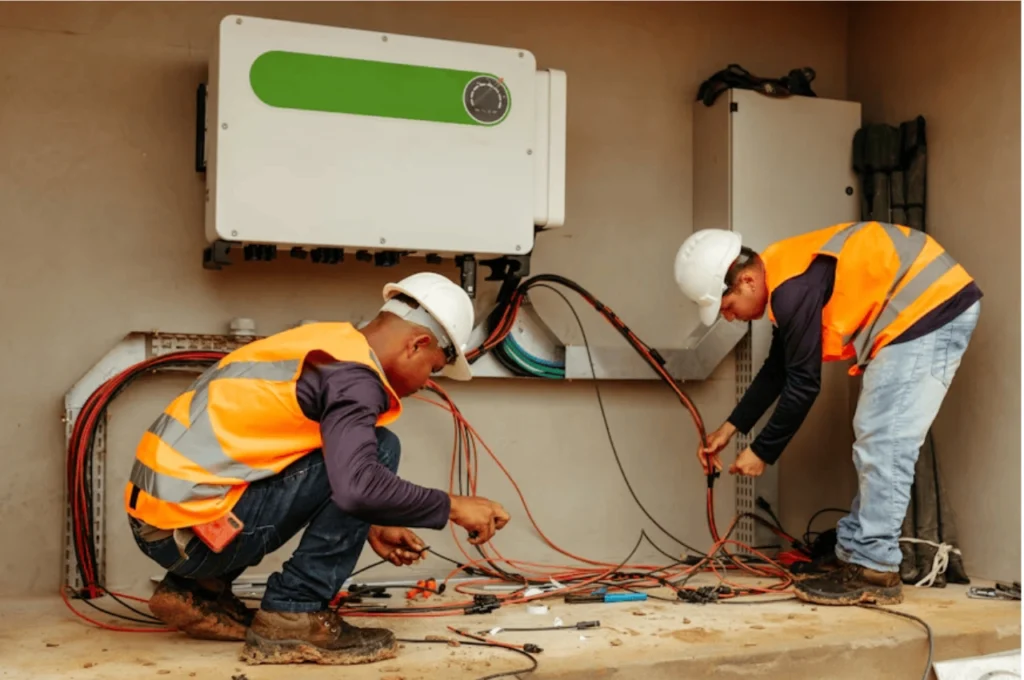
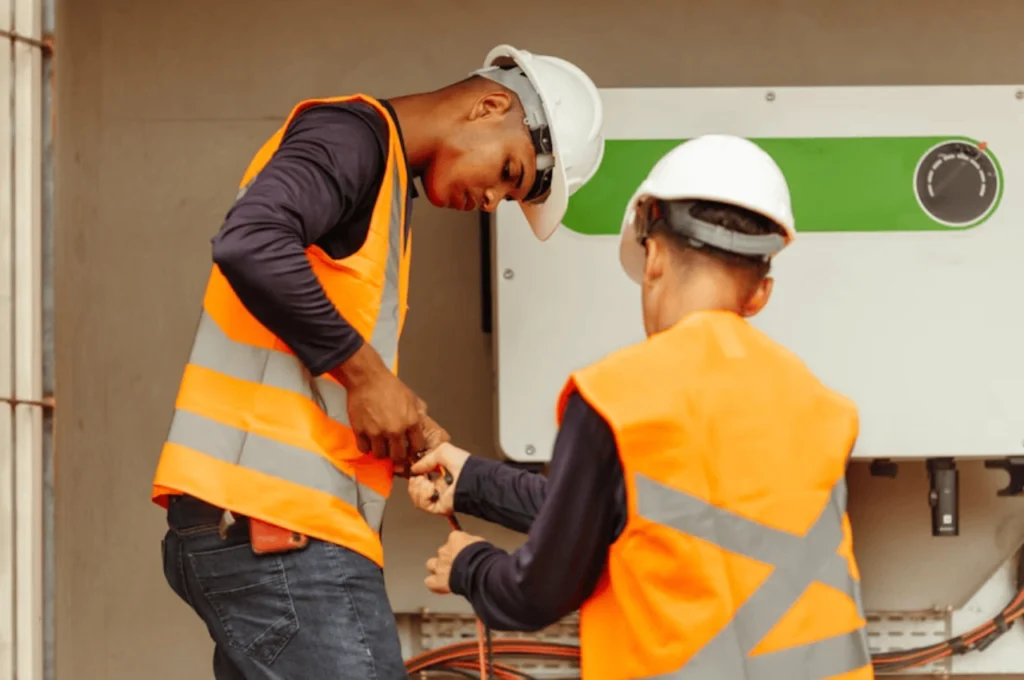
Professional smart home installation services shine when wiring is involved. A licensed electrician or a certified smart home installer should install any device that is connected to the electrical system of your house. This encompasses intelligent switches, thermostats and the hardwired security systems.
Outsource the following cases:
I. Installing intelligent switches where wall switches were installed.
II. Installing smart thermostats that are connected to HVAC.
III. Inclination of security cameras or doorbells wires.
IV. Multiple systems of home automation.
V. Homes that have old wiring which might require renovation.
Smart Home Installation Costs in 2026
Knowledge of expenses makes you design a smart home within your financial capability. Models are available at a couple of hundreds of dollars to build your own basic systems and tens of thousands of dollars to buy luxury whole-home systems.
Cost Breakdown by Setup Type
| Setup Type | Cost Range | What’s Included |
| Basic DIY | $300 – $1,500 | Smart bulbs, plugs, speaker, 1-2 cameras |
| Mid-Range | $1,500 – $5,000 | Lighting, thermostat, security system, hub |
| Full Home | $5,000 – $15,000 | Whole-home automation with professional install |
| Luxury Custom | $15,000 – $100,000+ | Custom wiring, integrated systems, premium devices |
Device-by-Device Cost Guide
Being aware of the prices of the individual devices can make you budget on your expenses. The following are the average prices of some of the common smart home devices:
- Smart bulbs: $15-$50 each
- Smart switches: $25-$75 each
- Smart thermostats: $150-$300
- Video doorbells: $100-$350
- Smart locks: $150-$400
- Security cameras: $50-$300 each
- Smart hubs: $100-$500
Hidden Costs to Consider
In addition to the cost of the devices, there is the cost of the following items:
- Subscription fees to cloud storage monthly (3-15 cameras)
- Monitoring services (professional monitoring) (2050 a month)
- Wi-Fi extenders/mesh (need more expensive systems) (larger homes) ($100-400).
- Electric permit (where it is needed) (50- 250)
Step-by-Step Smart Home Installation Guide
Installing home automation system is easy, as long as you follow these steps regardless of whether you are installing it personally or with a professional.
Step 1: Evaluate Your Home and Requirements.
Take a tour around your house and see everything you would like to automate. Think of your day to day activities and areas of pain. Are you forgetful of switching off lights? Concerned with the security of your home when you are not at home? Want to save on energy bills? Your responses will inform your decisions of devices.
Step 2: Check Your Wi-Fi Network
Any smart home is based on a strong and reliable Wi-Fi network. The signal strength of the tests in each room where you will install devices. The Wi-Fi extenders or mesh system upgrade might be required because of weak spots.
For best results:
1. Use dual band router 2.4GHz and 5GHz.
2. Install router in the middle of the house.
3. Use a special IoT network of smart devices.
Step 3: Choose Your Ecosystem
Select a smart home platform that is compatible with your equipment. The main options are:
- Amazon Alexa: Best compatibility with the device, excellent voice recognition.
- Google Home: Superior AI and search application.
- Apple HomeKit: Optimal privacy, is compatible with iPhones.
- The Samsung SmartThings: powerful hub and wide-ranging protocol coverage.
Step 4: Room to Room installation of Devices.
Begin with a single room to understand how it works and then start having more. It is a good place to begin with the living room or the bedroom. Install devices which follow in the following order:
- Hub or main controller
- Lighting appliances (lights or switches)
- Climate control (thermostat)
- Building security devices (sensors, cameras).
- Entertainment and convenience equipment.
Step 5: Connect and Configure
Install the applications of the manufacturers on each device and follow the instructions. Label the devices explicitly as well as the Living Room Light or Front Door Camera so that voice recognition is correct.
Step 6: Develop Routines of Automation.
Establish habits that automatize your work place. The most popular automation are:
- Lights turning on at sunset
- Thermostat on the way out of the house.
- Security cameras that capture the time when a motion has been detected.
- Doors locking at bedtime
Room-by-Room Smart Home Installation Tips

The needs of the different rooms are different. The following is the way to treat every area of your home.
Living Room
Most people begin the smart home process in the living room. Be interested in light, amusement, and comfort.
- Have smart bulbs or dimmer switches so that the lighting can be adjusted.
- Add a voice controlled and music smart speaker.
- Think about smart curtains or blinds to be used to control the lights.
- Install a universal remote that is used to command TV, sound system, and streaming.
Kitchen
The smart kitchen simplifies and enhances the cooking process.
- Smart coffee pot and small appliances plugs.
- fit in cabinet smart lighting.
- Built in intelligent display of recipes and timers.
- Think smart refrigerators and ovens during upgrading.
Bedroom
Make the bedroom a smart home and make the room conducive to sleep.
- Buy smart bulbs of warm color temperature to use in the evening.
- Software to configure sunrise simulation to wake-up gently.
- Have smart plugs to lamps and white noise machines.
- Motion sensors to use during automated night light.
Entryway
The convenient entrance is the initial barrier of security and convenience.
- place a video door bell to view and talk to visitors.
- Install a smart lock so that you can enter the house without a key.
- Have lights with motion detection.
- Install arrival and departure automations.
Common Smart Home Installation Mistakes (And How to Avoid Them)
It is better to learn the mistakes of others and save time, money and frustration. These are the most pitfalls and how to avoid them.
Error 1: Purchasing Devices that are incompatible.
There are no universal smart gadgets that are compatible with every hub and platform. Make sure that the device is compatible in your selected ecosystem before making a purchase. Search the badges Works with Alexa, Works with Google or Works with HomeKit.
Error 2: No consideration of Wi-Fi Coverage.
Poor Wi-Fi connection leads to loss of connection or slowness of devices. Pre-Installation Testing Covers Test coverage prior to installation and add extenders where necessary. A mesh Wi-Fi system would be considered in homes with areas of more than 2,000 square feet.
Error 3: Overlooking Security Set up.
The unsecured smart homes are prone to hacking. Always replace default passwords, apply two-factor authentication and also keep firmware up to date. When feasible, have a guest network of IoT devices.
Error 4: Network Overloading.
Too many wireless network devices slack your whole network. Zigbee devices or Z-Wave devices should be used wherever possible because they form their own mesh network and also minimize wireless network congestion.
Error 5: Inappropriate Positioning of the Devices.
There should be an open line of sight on cameras. The entry points should be covered with motion sensors. Thermostats must not be exposed to sunshine and drafts. Placing plans is a matter of performance.
Maintaining Your Smart Home Secure.
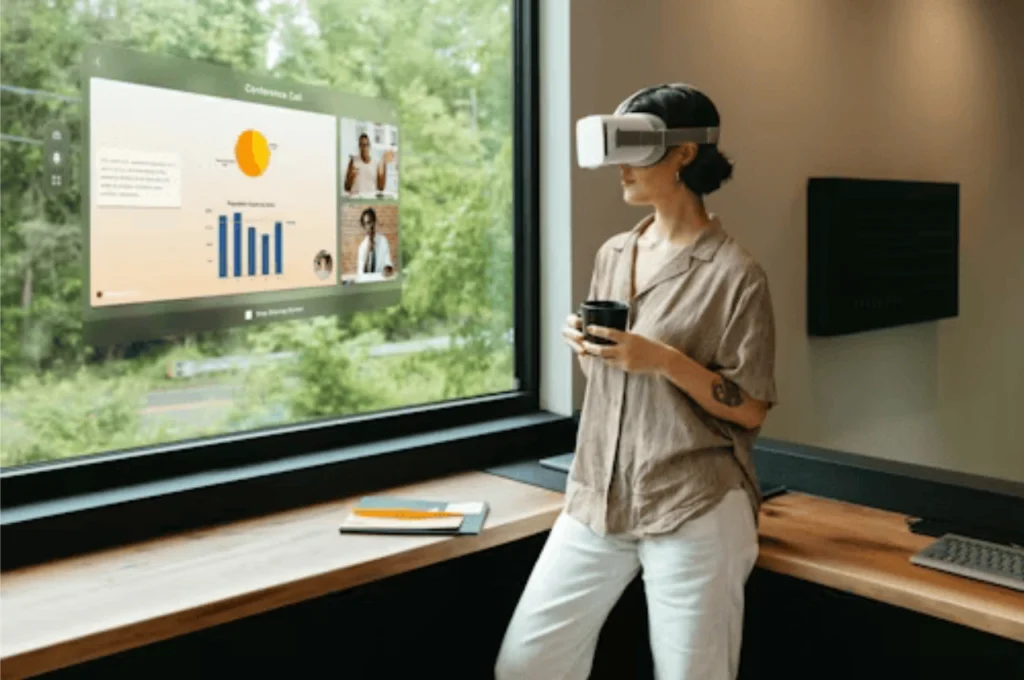
Security is something that should be incorporated into your smart house. Hackers can use connected devices, which are not safeguarded appropriately.
Essential Security Steps
- update default passwords immaturely.
- Two-Factor Authentication Enact on all apps and accounts.
- update equipment software and applications.
- Smart device Use a different Wi-Fi network.
- Turn-off unnecessary features such as remote access.
Privacy Considerations
Voice assistants and smart cameras bring up the issue of privacy. Read the privacy policies of each device and make changes to suit the level of comfort. Most of the devices have local storage facilities where your data can be stored in your house rather than in the cloud.
The Future of your Smart Home.
Technology changes fast. Make decisions today that will mean your system is relevant in the forthcoming years.
Select Matter-Compatible Devices.
Matter is a new universal standard that can allow interoperability between devices produced by various brands. The purchase of Matter-compatible devices is now a guarantee that they will be compatible with new hubs and platforms.
Plan for Expansion
Allow space to expand your system. Select a hub that will accommodate more devices than you are required. Additional wiring should be installed during the renovation of walls. Note down how you have set up so that you can easily trouble-shoot in future.
Keep Documentation
Backup manuals, warranty documentation and set ups. Prepare a basic spreadsheet of all the devices and their locations and passwords. This simplifies the troubleshooting and subsequent upgrades.
How To Troubleshoot a Typical Smart Home Issue.
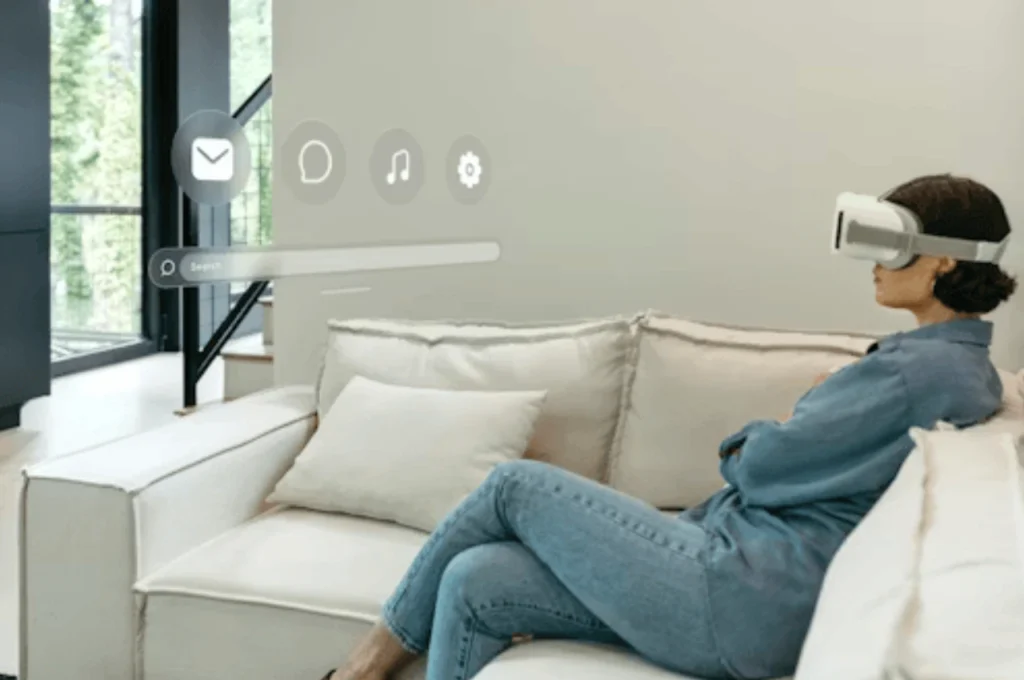
Even the smart homes that are well planned experience problems. These are the most popular issues that can be fixed.
Device Won’t Connect
- bring the device nearer to your router or hub.
- Make sure that you are connected to the right Wi-Fi band (2.4 GHz or 5GHz)
- boom your device and your router.
- Reset and attempt re-pairing
- Factory reset and re-pairing again
Devices Respond Slowly
- Test your internet connectivity and wireless internet connection.
- Eliminate devices in your Wi-Fi network.
- Renew the router software and update the devices with the firmware.
- Check the option of switching to a mesh Wi-Fi network.
Automation Routines Fail
- Check the online devices during routine.
- Check trigger provisions are appropriately established.
- Replica the routine all over again.
- Diagnose single test devices to determine the problem.
My Opinion
After helping hundreds of homeowners with smart home installation over the past decade, I have learned a few things that guides and product specs do not always tell you.
Minimal initial investment and expanding. Those who are most content when using their smart homes are those who have added devices sequentially, as they learned what suited their lifestyles. Those that bet big on day one ended up feeling overwhelmed and not taking advantage of their systems.
Professional installation of anything dealing with wiring cannot be underestimated. Yes, it costs more upfront. However, the freedom of conscience that your electrical job is code-compliant and safe, is all the money that is worth. I have witnessed too many DIY projects and projects that result in fire hazards or cancellation of home insurance.
The best ecosystem is that which is accommodating to your current lifestyles. HomeKit will be familiar to you in case your family uses iPhones already. Alexa is logical in case you are an Amazon family. Do not give yourself a new platform simply because it was a little better according to a review.
Lastly, keep in mind that smart homes are not supposed to complicate life. Whenever you are struggling with automations, or you keep having to fix connections, then something is amiss. An effective designed system is silent and runs in the background thus making your home more comfortable without creating any strain.
Frequently Asked Questions
Professional smart home installation services typically cost between $1,500 and $6,000 for a complete setup, depending on home size and device complexity. Minimum systems consisting of a limited number of systems could cost between $500 and 1500, and an entire house automation can cost over 10000 dollars.
Yes, a lot of smart home technologies are meant to be installed by a user. Smart bulbs, plugs and battery-powered cameras are particularly simplistic to use as wireless devices. Nevertheless, a professional should install any device that involves electrical wiring as a safety measure and to conform to the code.
Amazon Alexa and Google Home are the least proficient since they both offer a broad range of device compatibility and are easy to install. Apple HomeKit is the most secure, yet it is most suitable when you are already an owner of iPhone and iPads. SmartThings by Samsung offers the greatest freedom to advanced users.
The smart home functions mostly involve remote connectivity across the internet and voice recognition. Nevertheless, there are numerous devices that are still capable of local operation with your hub to do simple automation. Even with the internet being down, some systems such as Z-Wave or Zigbee systems possess local control.
The installation of a simple system can be done in 1-3 days by oneself. Simple setups normally require 4-8 hours by a professional, and whole-house setups require 1-3 days. Complex installations that require custom wiring can be in 1-2 weeks.
According to real estate research, smart homes will raise the value of properties by 3-5%. There is growing demand by buyers on smart thermostats, security systems, and lighting. Nevertheless, the price will be determined by the quality of installation and the existence of easy to use systems.
Smart homes are safe provided they are set up. Practice strong unique passwords, activate two factor authentication, ensure that firmware is updated and have a separate network of internet of things devices. As a component of its installation, professional installation services frequently entail security hardening.
The control center is made up of a smart speaker or display and then smart bulbs or switches to turn on the light. An intelligent thermostat provides rapid use of energy. Security cameras and video doorbells provide the reassurance. Grow step-by-step depending on what is enhancing your day-to-day life.
Conclusion
Smart home installation transforms how you interact with your living space, bringing convenience, security, and energy efficiency to your daily life. Whether you choose the DIY route for simple wireless devices or hire professional smart home installation services for complex wired systems, the key is planning ahead and starting with a clear understanding of your needs.
Though, it is important to remember that the ideal smart home is the one that benefits you and not the one that hinders you. Begin at a small scale, select compatible gadgets, and develop overtime as you get to know what improves your lifestyle. Your connected home will benefit you over the years provided that you plan it properly and you do it on the approach.
You are ready to begin with the smart home process? To start with, it is necessary to evaluate your needs, check the area of your Wi-Fi coverage, and select an ecosystem that will suit the technology that you already have. Home living is now in the future, and it has never been more affordable.
If you need other things that you want to ask us just give us a comment or subscribe to our newsletter to get the opportunity to receive new post.
