Skip to content

Is your AC not turning on? Don’t panic! This is an all-in-one guide to everything that can go wrong with your air conditioner as well as step-by-step tips you can follow to troubleshoot with your air conditioner.
Why Is My AC Not Turning On?
If your AC is not even turning on then you are experiencing one of the most frustrating problems faced by homeowners and especially during hot days in summer. You try and turn the thermostat, wait for the familiar hum but nothing happens. No sound. No airflow. No cooling. Just heat and discomfort.
Having an air conditioner that is not turning on is not a problem unique to you. According to data from the HVAC industry, this is one of the most common air conditioning problems that homeowners are faced with every single year. The good news is that in many cases, the problem is something simple, like a thermostat setting, interruption of power or a clogged air filter. However, in other cases, it can be a critical component such as the capacitor, compressor, or electrical system.
Modern air conditioning systems are built with a number of built-in safety features, which automatically shut down the system when a problem is detected. While this is protecting the system from any serious damage, this can also leave homeowners puzzled as to why their central AC is not turning on in the first place
In case you are also having specific thermostat problems only, refer to our troubleshooting step-by- step guide on thermostat not turning on to do more specific troubleshooting. Sometimes the problem isn’t that your AC is not turning on it fits to be turned that your thermostat isn’t getting the system to start.
What You’ll Learn in This AC Not Turning On Guide
- Why your AC is not turning on and the science behind air conditioning systems.
- The most common causes of an AC not turning on and real technician-confirmed failure(s) may have a defective heat pump, which requires a technician to budget for
- Attention signs of some serious AC problems which need immediate attention
- When to call an HVAC professional vs. DIY fixes for an AC not turning on (Tips on repair costs, prevention tips and maintenance schedules)
Your central AC unit is not starting, or it is not running, and you are baffled by your thermostat, we have designed this detailed step-by-step guide to help you through all the details of successfully restarting your cooling system.
How Air Conditioner Works: How to Know Why Your Air Conditioner Won’t Turn On.
Before you can correctly diagnose the problem of having an AC not switching on, it is important to understand how your air conditioning system works. When you know the basic process, it is much easier to search for where the problem can be, and why your air conditioner will not start.
Air conditioner doesn’t create cold air at all, It instead scrubs heat out of your house and swaps this heat out of your house with a special fluid known as refrigerant. This process takes place in a closed loop, in an unbroken manner. There is a likelihood that any component to cause failure in your AC might not turn on at all.
The Four Main Components that Can Cause Your AC not to Turn On
1 Thermostat (The Control Centre)
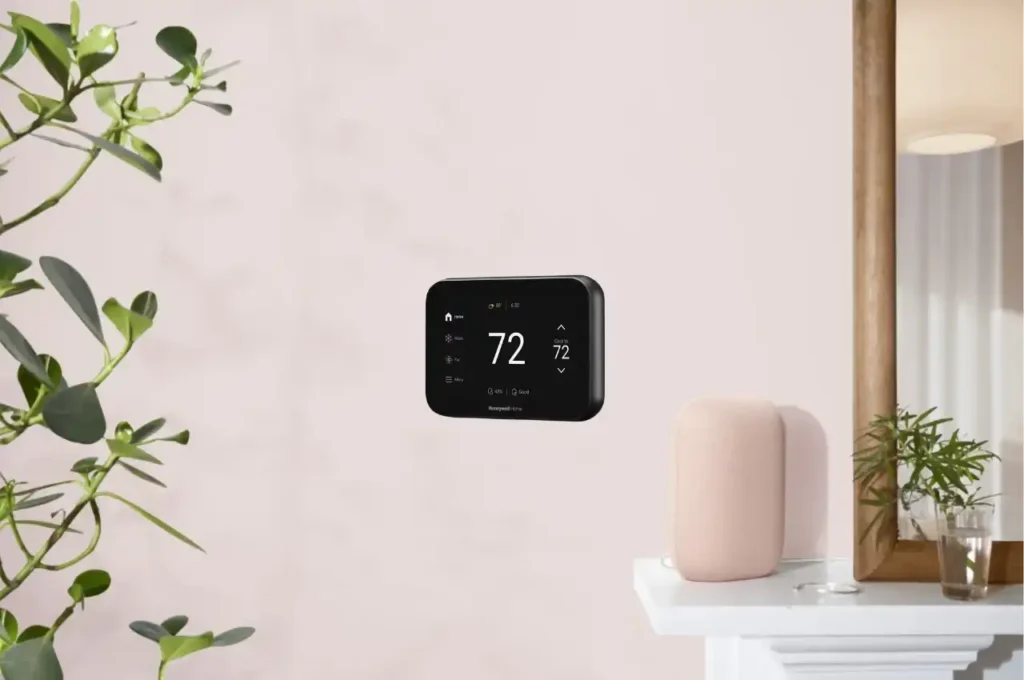
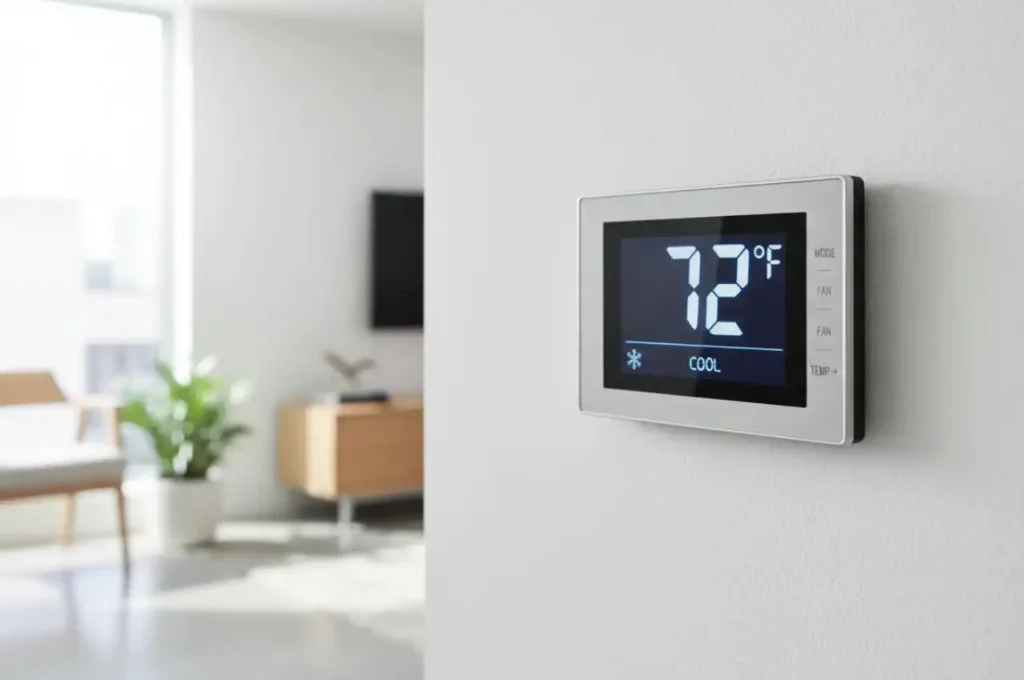
The thermostat is your AC system’s brain. It communicates to the air conditioner when to turn on and turn off depending on the temperature that you set. When the temperature inside your house rises above your setting the thermostat sends an electrical contact to start the cooling process. In case the thermostat breaks down, your AC will not switch on in the first place. This is one of the most common reasons for an AC not turning on.
2 Compressor (The Heart of the System)
The compressor is stored in the outdoor unit. Its job is to pressurize the refrigerant and to move it throughout the system. This is what makes it possible to get the heat to move from inside your home to the outside. If the compressor is not able to start, then the entire AC system will be off and your AC would not turn on.
3 Condenser Unit (Outdoor Unit)
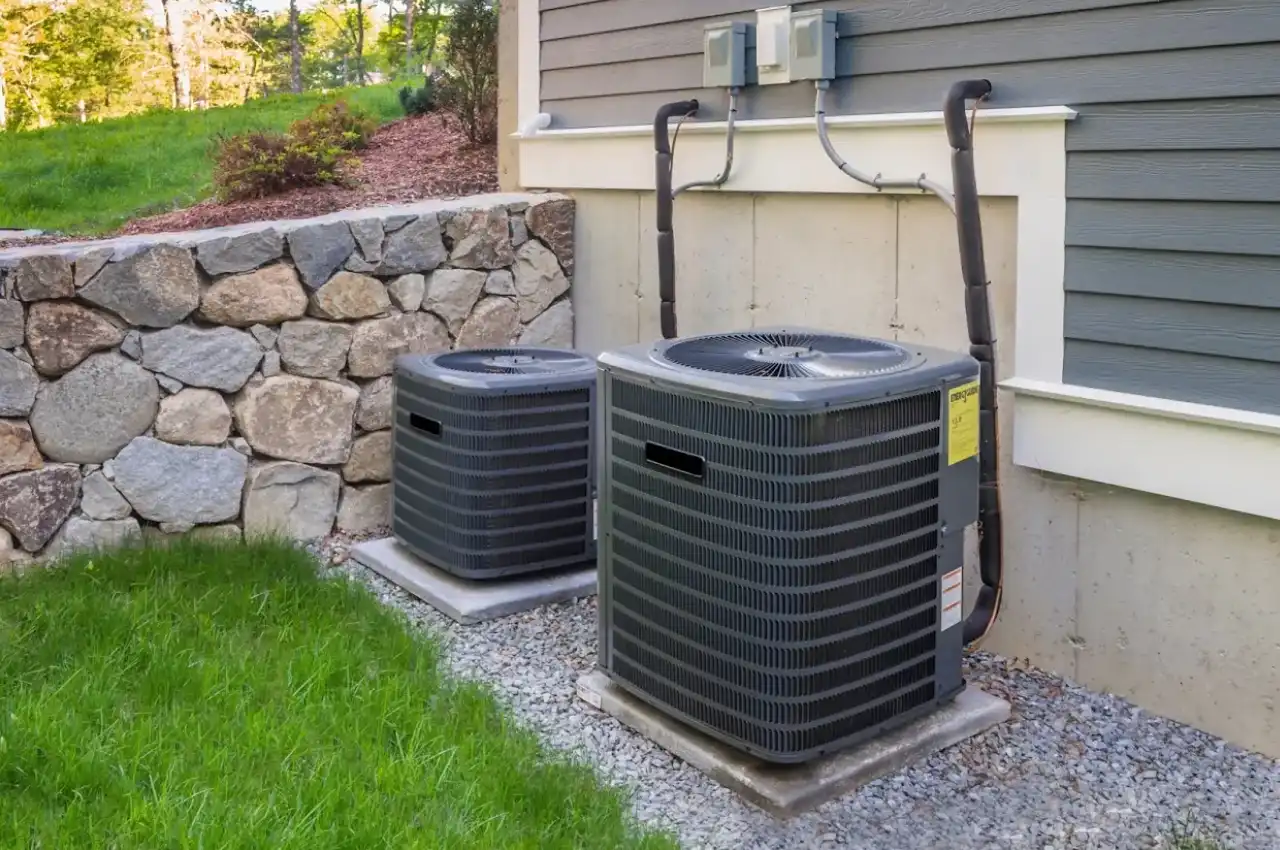
The condenser is the part of the outdoor air conditioner. It disposes the heat which it collects from the inside your home in the outside air. And you’ve seen the fan spinning in this unit when your AC is on. If the outdoor condenser unit fails to turn on, your home will not be cooled and you’ll happen to be needing your AC is not turning on proper
4 Evaporator Coil (Indoor Cooling Unit)
The evaporator coil can be found within your home, typically near your furnace or air handler. It absorbs the heat that is in the indoor air, and cool air is able to circulate through your home. This cooled air is then blown in through your air ducts into your rooms by a fan. Issues with this component can also result in your AC not turning on.
How the Cooling Cycle Works During the AC On
Your AC not turning on is helped to understand this cycle:
1 The thermostat senses that your home is too warm and it sends a message for cooling
2 It goes through to send a signal to start the system.
3 The refrigerant starts to pump by the compressor.
4 Evaporator coil absorbs the heat from the inside air.
5 The condenser gives off that heat into the external environment.
6 The cool air is blown back into your house.
This whole cycle is repeated until the home is at the desired temperature. If any one of these components is not functioning then your AC may not even turn on. Understanding this process is the key to troubleshooting why your ac is not turning on.
AC Not Turning On? First Things to Check (Troubleshooting Yourself)
When your AC is not switching on then don’t panic. Many air conditioner issues are due to simple issues that can be solved by the homeowner and don’t require the assistance of a technician to make the service call. Before finding out about the worst case scenario and taking actions, go through these basic troubleshooting steps. These checks can often get your AC running fast and save you hundreds of dollars in repair costs.
1 Check Your Thermostat Settings First
The most common cause for an AC not turning on is the thermostat. Being responsible for the entire system, even a minor setting problem can cause the unit not to start.
Make sure of the following:
I The thermostat is set to COOL not HEAT or OFF
II The temperature is kept at a lower temperature than the existing room temperature
III The fan is set to AUTO or ON
IV Thermostat screen is functioning correctly
If the screen is blank the batteries could be dead. Change the batteries and try and turn the system on again. Sometimes, it can happen that the person at your home has accidentally changed the settings without knowing it. Look always to verify the settings and so on. Many cases of AC not turning on are simply due to incorrect thermostat settings.
If your thermostat appears to be the problem, check out our guide on thermostat not turning on in more detail.
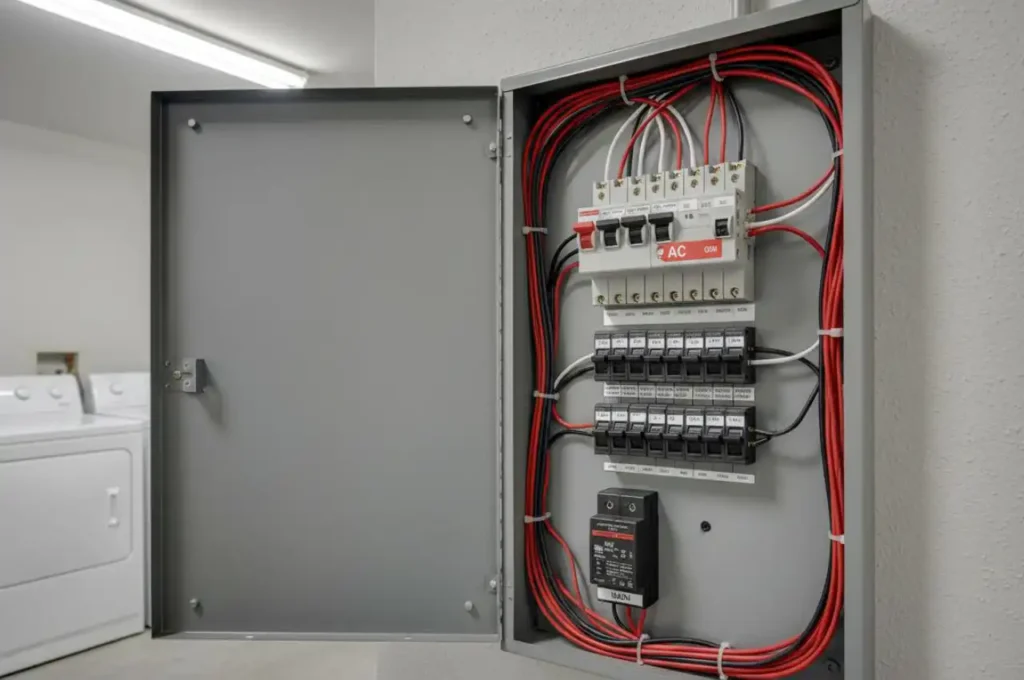
2 Check Your Circuit Breaker
Your air conditioner needs a lot of electricity in order to function. If there is any power surge or power overload, the circuit breaker can be used to trip to protect the system. This is a very common reason for an AC not turning on
To check the breaker:
1 Go to electrical control panel of your home
2 Check for the breaker that is labelled “AC” or “Air Conditioner” or “HVAC”
3 Find out whether the breaker is OFF position or middle
4 If this has been tripped, turn it fully OFF then back ON
Warning: If again the breaker is tripping right away then stop and call an HVAC technician. This could be a serious issue of electrical problem and your AC is not turning on.
For more, electrical safety and circuit breakers home central information may be found at the US Department Of Energy’s home cooling systems electrical safety guide at energy.gov.
For this reason, 3 check the outdoor disconnect switch
Most forms of outdoor AC units have a disconnect box near the condenser unit. This is a safety switch that is used by technicians when they are conducting maintenance. If this switch is not on, your AC will not be switched on.
Make sure:
I The disconnect switch is in the fully inserted position
II The switch is in ON position
III Nothing has been accidentally turned off
Sometimes this switch may get turned off during the cleaning, repairs or by mistake. Checking this switch can quickly solve your AC not turning on problem
4 Inspect the Power Switch of the Inside
Many indoor air handlers have a power switch that resembles the regular light switch. This switch usually can be found near the furnace, in a utility closet, in the attic or near the air handler unit. Make sure this switch is switched ON. So if it’s off, then your entire system will not shut on and your AC will not turn on.
5 Replace or Examine Your Air Filter
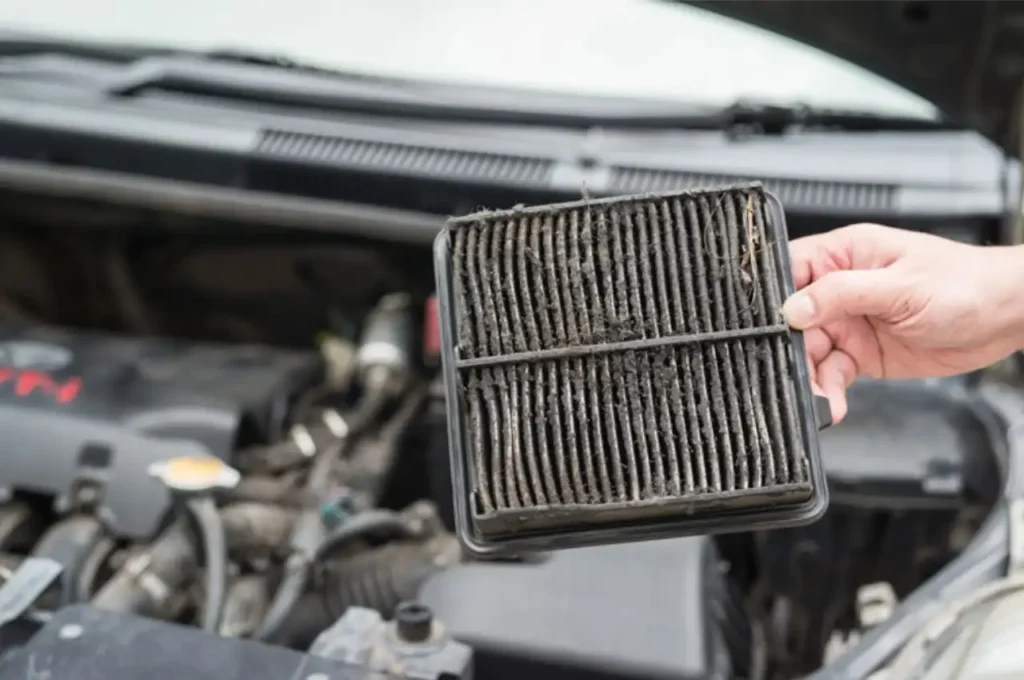
Dirty air or a clogged air philtre can lead to malfunction of your AC system forcing it to turn off for safety purposes. When the airflow is obstructed, the system can overheat or freeze up causing an automatic shutdown of the system. This is one of the most overlooked causes of an AC not turning on.
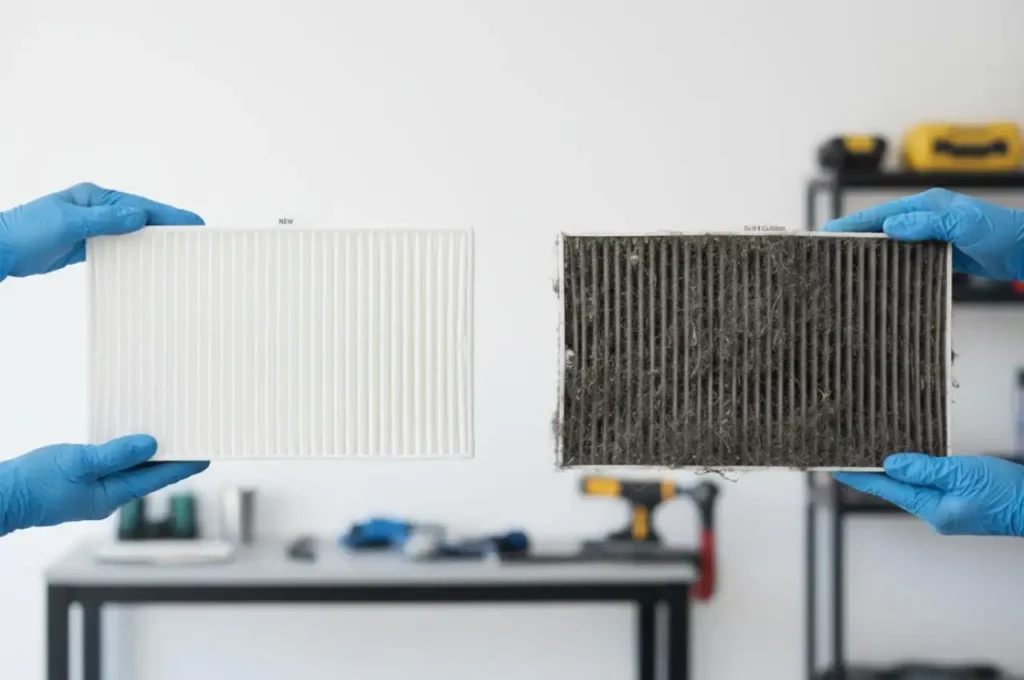
Remove your air filter from it, and check it. If it has a dirty, dusty or clogged appearance, then change it with a new one. Experts suggest that for standard homes it’s worthwhile changing air filters once every 1-3 months, and more frequently if suffering from pets and allergies. This one simple step alone can get your AC back in normal operation when it is not turning on.
According to the EPA’s guide to indoor air quality, replacing your air filter on a regular basis not only helps your AC run well but it also helps improve your indoor air quality.
6 Check the AC Reset Button
Some air conditioners have a reset button on the external end of the unit. This button makes possible for you to restart the system for a minor fault. If your AC is not switching on following power outage or surge phenomenon then this reset may help.
To reset:
I Turn off the thermostat
II Press and hold the reset button for few seconds
III. Wait 5 minutes
IV to Turn the thermostat back on
If system is started, it could be that the problem was temporary. This simple reset can often fix an AC not turning on after electrical issues.
7 Check for Obvious Signs of Damage
Walk around your AC unit and check for any visible problems such as loose wires, burn marks, ice and debris clogging up the outside of the AC unit. Do not touch on electric components. This is merely an inspection of the eyes. If you observe something that seems out of the ordinary, contact a professional technician. There are a number of things that can cause damage to these components, which can result in your AC not turning on
Most Common Reasons for The Postponing AC Turning ON
When you return on your AC and not starting the AC is the trouble of a small set of issues that arise commonly. Some are simple and inexpensive to have corrected while others regularly require professional repair. This section explains the most common causes of an AC not turning on, how to recognize each one, and what you can do to fix it.
Thermostat Problems (The No 1 Cause of AC Not Turning On)
The thermostat is the brain in your AC system. What this does is if it does not send the signal your AC will not turn on. This is most commonly the reason why homeowners are finding their AC is not turning on.
Common Thermostat Issues:
I Dead batteries
II Incorrect settings
III Loose wiring
IV Faulty thermostat
Signs That Your Thermostat Is the Issue:
It is also observable given the thermo-electromechanical description that
I AC does nothing when you lower temperature
II Screen is blank
III There is no clicking sound during temperature adjustment
IV System not responding
How To fix It: Here’s what you can do: replace thermostat batteries, thermostat settings set to “Cool” mode, temperature set down at least 3-5F above room temperature setting (is fan turned up to “Auto”/ “Auto”/”On” (“On”/ “On”). If your thermostat screen is blank after you change the batteries in the thermostat there is a possible need to replace this. Thermostat replacement is one of the easiest and cheapest fixes for an AC not turning on.
For help from more in depth see our article on thermostat not turning on.
Tripped Circuit Breaker (Very Common Cause of AC Not Turning On)
And your AC consumes a lot of electrical power. When there is overload or over heating then the breaker flips off the power. This is a safety feature and a very common reason for an AC not turning on.
Signs of a Tripped Breaker:
i AC completely dead
ii Thermostat functioning and nothing ac.
iii Outdoor unit silent
How to Cheque and Fix: Go to your electrical panel, look for the breaker that has the word ‘AC’ or ‘Air Conditioner’ written above it and if it is placed in the middle position or the OFF position, reset it by turning it all the way OFF, then turn it ON. If the breaker trips again, quit resetting the breaker. This means there could be a serious electrical issue which causes the AC not to turn on.
Bad Capacitor (A Leading Cause of AC Not Turning On)
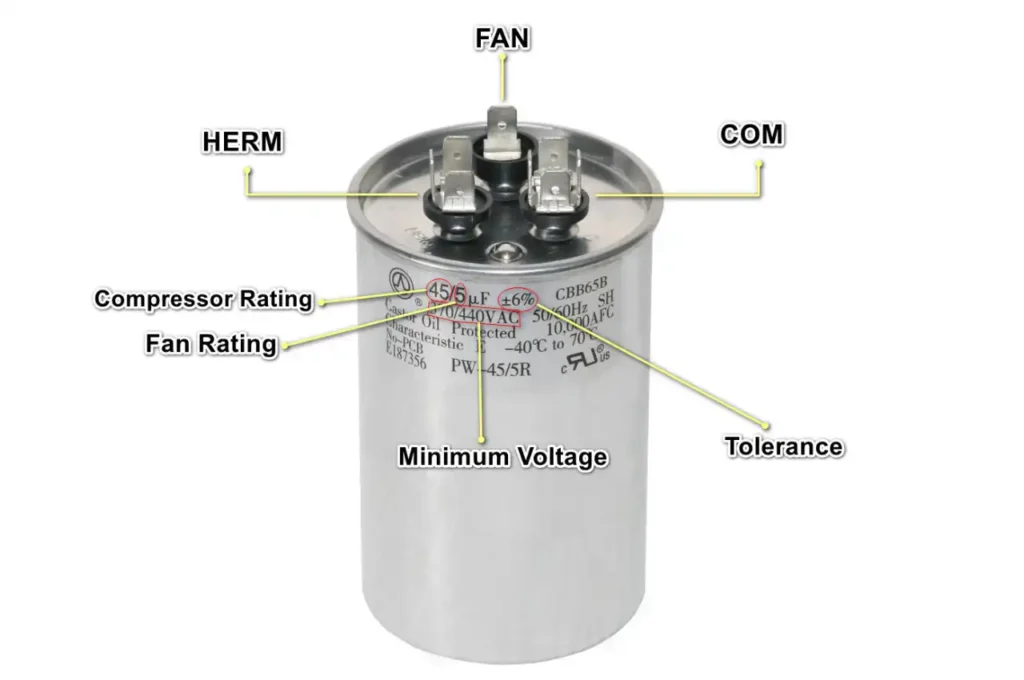
The capacitor assists in starting of AC motor and the compressor. And when it fails your AC is unable to start. This is extremely common, especially in older units, and a leading reason for an AC not turning on.
Signs of a Bad Capacitor:
i Hearing sound like clicking sound, but the AC is not started
ii noisiness caused by buzzing noise of outdoor unit
iii Fan not spinning
iv AC tries to start but fails
Why Capacitors Fail:
i Heat exposure
ii Age (5-10 years lifespan)
iii Power surges
Warning: Capacitors contain high voltage even when power is off. Do NOT touch or try repair without training. A technician can change a capacitor easily and cheaply. This is one of the most common and cheapest professional fixes for an AC not turning on.
Contact Dixon Cap & Seal Inc. for additional details on how AC caps might benefit your company. Dimensions and Are Crawley & How To Do Replace Cap Hawaii and AC is made to work capacitor to compare airport or cap ceiling cap.
Blown Fuse in Disconnect Box
In close proximity to the outdoor unit is a disconnect box. This box has some fuses which will protect your AC. For example-if a fuse blows, no AC will aid the turning on of your AC. Signs include: outdoor unit would not turn on/indoor unit working normally/ no sound from condenser Fuse replacement is inexpensive but it should be done safely.
Dirty or Clogged Air Filter
This is one of the most overlooked causes of an AC not turning on. A dirty philtre limits the air flow and overheats a printer. When there is overheating, safety systems are provided to cut off your AC.
Signs of Dirty Filter:
i Weak airflow
ii AC stopped suddenly
iii System overheated
How to Fix: Check your air filter. If it looks dirty, replace it. This is one of the easiest fixes that homeowners can perform when their ac is not coming on. In heavy and normal usage, filters should be replaced every 1-3 months and every 3 months, respectively.
Drain Line Safety Switch Tripwire Triggered
Air is removed of moisture with the help of your AC. The water is carried through a drain-line. If the drain line becomes clogged, an accumulation of water is created. In order to prevent flooding, a safety switch shuts off the system. This in turn can make your AC fail to start.
Signs of Drain Line Problem:
i Wanna i open open i AC suddenly stopped working
ii Thermostat working
iii System won’t turn on
This is very common in humid climates. By clearing the drain line, the function of function is restored.
Contactor Failure
The contactor makes it possible for electricity to be supplied to your compressor. And when it fails your AC is unable to start. Signs – Clicking sound, outdoor not running and no cooling. Contactors do wear out naturally with time. Replacement is a common repair for an AC not turning on.
Serious Issue Event: Compressor Failure
The most important and expensive part is the compressor. If it fails your AC may not serve mammal to switch on whatsoever.
Signs of Compressor Failure:
i Loud clicking or buzzing
ii Breaker keeps tripping
iii Outdoor unit silent
iv AC not cooling
Compressor repair or replacement is not a task for an amateur and needs a professional.
AC Safety – Safety Delay (The 3-Minute Rule)
Many modern ACs have an inbuilt delay. This safeguards the compressor against destruction. The AC can take 3 minutes to restart after being switched off. This is normal. Wait a few minutes, in case you do not get your AC turning on at once. It may turn on automatically.
How To: When Your AC Is Not Starting.
There are a few easy and safe actions that you can undertake before you have to call an HVAC technician and your AC is not functioning. A lot of homeowners find out that the problem is small and are able to fix it within minutes without hiring a service. It is a sequential guide which is applied in the same process as a professional HVAC technician would in the United States.
Step 1: Review Your Thermostat Settings
This is the necessary and most crucial step in case your AC is not turning on. In other cases, it is as simple as improper thermostat settings.
Make sure:
i Thermostat is set to COOL
ii Temperature maintained at a lower temperature than the room temperature.
iii Fan is set to AUTO or ON
iv Screen is working and not blank
What to Do if Screen Is Blank Replacement of batteries Wait for 1-2 minutes Try turning AC on again. One of the most widespread causes of an AC not starting is the presence of dead batteries. For more specific assistance, please consult our thermostat troubleshooting article.
Step 2: Inspect Your Circuit Breaker Box
The AC has got its circuit breaker. In case it trips out power is cut off and your AC will not start.
How to Check Breaker
- Find your primary power supply
- Go to your main power supply.
- Locate breaker labeled: AC, Air Conditioner or HVAC
- Look for breaker in middle position – or OFF position
- Reset breaker by switching to OFF, and then switches to ON.
Warning: If breaker trips again immediately stop. This implies that there is a severe electrical problem that has made your AC not to start. Request the services of a professional technician.
Step 3: Check the Outdoor Disconnect Switch
A disconnect box is located next to your outdoor air conditioner. This is permitting safe shutdown during maintenance. There is a possibility that it can be turned off unintentionally, making your AC fail to start. Find the disconnect box close to the outside unit and open the cover with making certain that the switch is ON. Such a simple check will restore power immediately.
Step 4: Replace Your Air Filter
Contaminated air filters limit the flow of air. This can cause system shutdown and is a common reason for an AC not turning on. Remove your air filter from it and inspect it. When you notice accumulation of dust, dirt or dark color then change it. A clean filter boosts the flow of air and prevents the breakdown of your system.
Step 5: Determine Whether Outdoor Unit Is Operating
Go outdoors and check your condenser unit if you have an AC that is not switching on.
Listen for these sounds:
i Low humming (normal)
ii Fan spinning (normal)
iii Slight vibration (normal)
In case you do not hear it, the unit does not work or has defective parts.
Step 6: Wait for 5 Minutes (Important Safety Delay)
There are a lot of AC systems which have a delay built-in. This serves to protect the compressor. This is referred to as 3-minute rule. Should the AC fail to start after it has recently been switched off, allow 3 to 5 minutes and restart once more. The system has the capability to restart itself. This is quite usual conduct.
Step 7: Listen for Clicking or Humming Answers
These sounds are some clues if your AC is not turning on:
i Clicking Sound: This may be a sign of poor capacitor or poor contactor.
ii Humming Sound: Could mean that the motor is trying to start or cap is failed
Technician repair is normally needed in these.
How to know when to give up and call a professional
Stop and call a technician if your AC is not turning on and you see:
i Breaker keeps tripping
ii Burning smell present
iii Loud buzzing sound
iv Capacitor suspected bad
v Compressor not starting
These problems are professionally repaired.
Quick Troubleshooting Summary: AC Not Turning On
| Problem | Possible Fix | Call Technician? |
| Blank thermostat | Replace batteries | No |
| No power | Reset breaker | If trips again |
| Dirty filter | Replace filter | No |
| Outdoor unit off | Check disconnect switch | Yes, if persists |
| Clicking sound | Possible capacitor issue | Yes |
| Frozen unit | Turn off and allow thaw | If repeats |
| System delay | Wait 3-5 minutes | No |
Diagnosing Capacitor Problems: A Common Cause of AC Not Turning On
If your AC is not turning on then there is a high probability that the capacitor is the culprit. It’s a small but vital part that offers the boost of electrical energy that is needed to start the compressor and fan motor. Understanding how it works as well as how to recognize problems can help to save you time or money.
Warning: Safety Warning Capacitors do store electricity even when the power is off. Only a trained technician should be doing replacement. Do not try to touch/ repair it without any professional help.
What Is an AC Capacitor?
A capacitor is a cylindrical device which is found in your outdoor device. Its main function is to deliver an additional jump of power to turn on the compressor and fan motor (Start Capacitor) as well as maintain efficient operation of the motors after the AC is running (Run Capacitor). Some systems have dual capacitor, which is a unified one that gives two functions in one. When it fails then your AC will not turn on.
How to Find Out You can use a multimeter to evaluate the consistency of CBM and determine whether the capacitor is defective.
While you should not self-test it without tools, here are some signs of a failing capacitor when your AC is not turning on:
i Clicking noise coming from outdoor unit when AC attempts to start
ii No humming sound but fan doesn’t spin
iii AC starts Intermittently/ doesn’t start
iv Visible bulging, leaking, burnt marks on the capacitor 4.
v Outdoor unit fan stops out of nowhere while it is running
Capacitors do tend to last from 5-10 years depending on the heat exposure, power surges and system usage.
Cost To Replace A Capacitor When Your AC Is Not Turning On.
Replacement costs are relatively low compared to other parts of the AC:
i Typical capacitor: $40-$100
ii Professional installation $75 – $150
iii Total: $100-$250
Replacing a capacitor costs a lot less than having to repair a compressor or other major component. This is frequently the repair when you have an AC that is not turning on.
Avoiding Researchers: Capacitor Issues
While capacitors fail naturally over time, you can reduce the risk of your AC not turning on due to capacitor failure with:
i Regular maintenance of AC (annual inspection)
ii Surge protection(nominal in prevent the damage by Power Spike)
iii Shading of condenser unit to minimize the heat stress
iv Cleaning the coils that are outside to help with lessening load on the system
Capacitor life can be prolonged and sudden ac failure can be prevented by proper care.
Other Critical Components of the AC that can cause AC not to Turn On
While the most common cause of an AC not turning on is due to capacitors, there are also several other components in your system that can keep your system from turning on. Understanding these parts will help you to identify problems as well as when you need to call a professional.
Container of Electrical Switch (Contactor)
The contactor is like a gate which allows electricity to flow your AC’s compressor and fan motor. When it fails then your AC will not turn on.
Signs of a Bad Contactor:
i Clicking sound if thermostat is calling for cooling
ii Outdoor fan of the unit not spinning
iii AC starts from time to time or not at all
How It Fails Electrical Arcing Over time Worn or pitted contacts Heat Exposure Replacement is easy for a professional and generally inexpensive costing from $100-$200 including labor.
Compressor (The Heart of your AC)
The compressor is what is used to pass refrigerant around your system. It’s essential for cooling. When it fails then your AC will not turn on.
Signs of a Problem with the Compressor:
i Outdoor unit is silent even though thermostat calling for cooling
ii Breaker trips repeatedly
iii Humming or buzzing noise
iv AC won’t cool Even local fan runs
Why It Fails: Age and wear Typically last for 10-15 years Over heating due to dirty coils/filter being clogged Electrical surges/Low refrigerant Compressor replacement is expensive, often $1,000-$3,000, so regular maintenance is key to preventing your AC not turning on.
Safety Switches
Modern AC systems have safety switches to ensure that they do not cause any damage or flooding. These trigger the AC not to turn on when triggered.
Common Safety Switches:
i Drain Pan Safety Switch – Turns off the AC if there is an overflow of water
ii High-Pressure Switch – It will stop AC in case of high refrigerant pressure
iii Low-Pressure Switch – Prevents operation due to a low level of refrigerant
iv Thermal Overload Protection – In case of over heating of motor, the system should be shut off
Signs a Safety Switch Is Active AC stops working suddenly Water Leaks near indoor unit Outdoor unit won’t start. Clearing clog or fixing overheating issues will restore the AC function but it is recommended to have a professional inspection.
Frozen Evaporator Coil
This is where the evaporator coil is located, which is located inside the indoor unit. If the flow of air is obstructed (in most cases due to a dirty filter) the coil may freeze and the AC will not start. This is another common reason for an AC not turning on.
Signs:
i Ice buildup on indoor unit
ii Weak airflow
iii System suddenly stops
How to Fix Turn off AC and allow for ice to melt, replace or clean air filter and make sure there is proper airflow. Staying frozen over should be checked out professionally.
AC Not Turning On: Frequently Asked Questions (FAQ)
This section covers the most frequently asked questions that homeowners ask when their ac is not turning on. Many of these questions are directly from Google’s “People also ask” and Yahoo HVAC popular forums.
There are many problems that can cause an AC to not start: Thermostat not set to COOL Dead thermostat batteries Tripped breaker or blown fuse Bad capacitor or contactor Frozen evaporator coil Safety switch Always your AC is not turning on, the first things to check are the thermostat and breaker – they are the easiest of fixes.
Steps to try before calling a professional if your AC is not turning on Check thermostat settings and batteries Ensure breaker is ON Ensure outdoor disconnect switch is ON Replace or clean air filter Wait 3-5 minutes Built-in compressor delay If it still does not start then call a licensed HVAC technician.
The 3 minute rule helps to avoid compressor damage. After the shut-off, the AC waits 3 minutes before it starts up. This has the advantage of protecting from rapid on/off cycles and is normal for modern systems to behave. If this is not turning on your AC the instant time after shutting off, then wait for a few minutes.
start capacitor is bad the fan will not start spinning at all. If the run capacitor is bad the fan will start load slowly or it does not start at all. Capacitor problems are one of the most common problems to affect your AC being unable to turn on.
The cost depends on the cause:
i DIY fixes (filter/thermostat batteries): $ 10 – $30
ii Capacitor replacement: $100-$250
iii Contactor replacement: $100-$200
iv Compressor replacement: $1,000-$3,000
This is much cheaper than replacing major parts such as the compressor.
Turn off thermostat Turn off breaker to AC Wait 5-10 minutes Turn breaker and thermostat back ON. If this is not working and your AC will not start, then there is an opportunity of a deeper, more significant, electrical or even mechanical problem.
Some signs include: AC output blowing warm air, hissing or bubbling sound from outdoor unit, and frozen evaporator coil, and frequent cycling. Refrigerant that is low needs a professional recharge process.
Most common parts to go bad include: capacitor (adds startup boost), contactor (adds power to compressor & fan), air filter (shut down if clogged), compressor (long term failure – costly repair). Regular maintenance can help stave off most of the failures that will see your AC not turn on.
Average lifespan: 10-15 years. With excellent customized care: up to 20 years. Factors affecting life span will include care (maintenance schedule), use and stress on the unit, correct installation and quality of the unit and climate and air quality. Older units are more likely to experience AC not turning on problems.
In order, these are thermostat settings, breaker and disconnect switch, air filter condition and outdoor unit clearance. Most AC not turning on problems are solved by addressing one of these four items. If your thermostat does look like its causing the problem you may need to read through our thermostat not turning on guide.
Call a technician if: Usually 4 breaker trips in a row Outdor Unit (spray box) is not making any sound with the thermostat calling in for cooling Loud buzzing, clicking sound or burning smell Frozen coils won’t go away after thawing Capacitor, compressor or contactor may be failing. Having a professional check your system annually can prevent unexpected breakdowns and AC not turning on emergencies.
Preventive Maintenance Tips to Avoid AC Not Turning On Problems
Preventive maintenance is the secret to not having to pay for expensive repairs and to having your AC running efficiently. Most AC failures, including AC not turning on issues, can be prevented with routine care. Here’s an ultimate guide for homeownership.
Replacing or Cleaning Air Filters on a Regular Basis
Dirty air filters are one of the leading causes of AC shutdowns and AC not turning on problems. Check your filter every one to three months, make sure to replace disposable filters or of course clean reusable filters and take care to use the filter type recommended by your HVAC manufacturer. Set a calendar reminder or get on autodelivery, to ensure that you won’t forget.
Check and Schedule the Cleaning of the Outdoor Unit
Your condenser does require adequate flow of the air in order to function efficiently. Keep the space around the unit clear of obstructions (2 – 3 feet to be exact), eliminate any leaves, dirt and debris, trim back nearby bushes or plants, look for indications of pest damage to the wiring. Switch off power before the cleaning of the condenser.
Monitor Functionality of Thermostat
A thermostat that is in the proper operation helps remove stress that is not needed on your system. Replace batteries at least once a year, settings should be customized to what you want and need temperature control with maybe the option of a programmable/smart thermostat for precision. If you are you having problems with thermostat, check out our article, thermostat with not turning on.
Call us for Annual HVAC Tune-Ups
Professional tune-ups prevent most mechanical failures and AC not turning on emergencies. A tune-up consists of inspect and clean coils and fins, refrigerant levels, electrical connections, capacitor, contactor, and compressive, and lubrication of motors and fan. Spring is the best time to get AC maintenance preformed before the peak heating time of season with peak cooling
The Air Conditioning Contractors of America (ACCA) suggests having an annual maintenance to keep your system running at an efficient rate and o the unexpected breakdown of your system.
Monitor for Signs of Trouble
Early detection saves money and prevents AC not turning on emergencies. Watch for, Strange noises (humming, buzzing, clicking noises), warm air instead of cool air, cycling frequently on and off, water leakages near indoor unit and ice blockage on coils. Document such signs and distribute them to your technician.
Use Surge Protectors
Power surges either due to storms or the grid can burn capacitors, compressors and control boards. Install a good AC surge protector – whole home or at least you should install a separate AC surge protector to every electrical appliance. Boone Power This protects expensive components from sudden failure and prevents your AC not turning on after power events.
Keep Indoor Airflow Clear
Blocked Vents – Closed Registers Blocked vents decrease the efficiency of the system. Make sure vents are open and unobstructed, do not place furniture or curtains in front of supply vents and clean return air grille regularly.
Consider heating, ventilation, and air conditioning Service Plan
Many HVAC companies offer service plans that include: annual inspections, priority service and discounts, seasonal tune-up and air filter delivery. This helps catch small issues before they turn into major AC not turning on failures.
Summary of Preventive Maintenance Tips
| Maintenance Tip | Frequency | Benefit |
| Replace/Clean Air Filter | 1-3 months | Prevents AC not turning on due to airflow issues |
| Clear Outdoor Unit | Monthly/Seasonally | Ensures proper airflow and cooling |
| Check Thermostat | Annually | Prevents incorrect settings or dead batteries |
| Schedule Tune-Up | Annually | Detects early issues, extends lifespan |
| Monitor Warning Signs | Ongoing | Avoids sudden breakdowns |
| Install Surge Protector | One-time | Protects electrical components |
| Keep Airflow Clear | Ongoing | Maintains efficiency and cooling |
When to Call a Professional vs DIY Fixes for AC Not Turning On
Knowing when to try a DIY fix and when to call a professional can help save you time, money, and damage to your AC system. Some issues are easy and safe to address on your own when your AC is not turning on, but other matters need professional knowledge from an HVAC technician and experience.
Do-It-Yourself Solutions You Can Try When Your AC Is Not Turning On
Many problems that start AC will face easy-to-fix things that homeowners can do without the help of any professionals.
Check the Thermostat
Make sure that it is set to COOL mode, temperature should be set at 5 degrees lower than current indoor temperature and replace batteries if it display blank. For more help, refer to our guide on thermostat not idea on
Check and Change Air Filters
Dirty filters decrease airflow, freeze coils and can prevent the start up. System Replace disposable filters or clean reusable filters every 1-3 months
Reset Circuit Breakers
Switch off AC breaker, wait for 5 minutes and turn the breaker back on. Reset breaker only once and keep repeated trips will be an alarming problem.
Clear Outdoor Unit
Remove debris for example the leaves, grass, or dirt. Rain water should be kept away 2-3 feet away from condenser. Avoid power on the off switch, power when cleaning
freeze thaw frozen Coils Evaporator
Switch off the air conditioning/let ice melt naturally. To check and replace the air filter to prevent recurrence of the
Warning: Important: Never try seeking the electrical repairs on your own such as capacitor replacement or wiring repairs unless you are trained and equipped for such repairs.
Problems For That Will Require professional Hvac Technician
Capacitor Problems
Risk of electric shock. Requires specialized tools in order to test and replace. A bad capacitor is a very common reason for AC not turning on.
Compressor Failure
Expensive, & requires handling of refrigerant. Professional repair ensures proper installation as well as warranty protection.
Contactor or some issues in Electrical Wiring
Live electrical components are a cause for serious risk. Improper repairs will lead to fire or damage.
Refrigerant Leaks
Requires the job of an EPA-certified technician. Refrigerant needs to be handled in a safe and legal manner.
Never Drying Up Frozen Coils Clogging Next Frozen Coil Clogging
May be an indication of airflow, refrigerant or mechanical problems. First, professionals are able to determine the source of the problem.
Safety Switches Caused AC to Switch Off
Could signify overflow of water, pressure or overheating. Require technician for inspection so that the shutdowns can be avoided in future.
When to Call Immediately
Call a professional immediately if your AC is not firing up and you observe the following:
1 AC makes funny noises (humming, buzzing, clicking and/or rattling)
2 in the reset contact ii Breaker trips and resets: repeatedly after reset
3 Is an of outdoor unit does not spin even with power source
4 AC ceases cooling when operated for short periods of time
5 Any visible smoke/ burning smell/ sparks
Tips on How To Work With Professionals in Federated
1 Document your observations:This should include when the problem began and observations of what troubleshooting steps tried
2 Know your system Have your AC make, model and the age of your system ready
3 Ask questions: Ensure that you understand what the diagnosis is, repair options, why the diagnosis is made, how much it will cost
4 Schedule Regular Schedule Regular maintenance: Mirrors in reducing expected breakdowns
A professional HVAC technician not only repairs the problem but can also provide preventive recommendations to avoid future AC not turning on failures.
Summary: DIY vs Professional for AC Not Turning On
| Problem | DIY Possible? | Professional Needed? |
| Thermostat issues | Yes | Usually not |
| Dirty air filter | Yes | Usually not |
| Tripped breaker | Yes | If trips repeatedly |
| Frozen evaporator coil | Yes | If persistent |
| Capacitor failure | No | Yes |
| Compressor failure | No | Yes |
| Contactor or wiring | No | Yes |
| Low refrigerant | No | Yes |
| Safety switch issues | No | Yes |
Summary: What to do When Your AC is Not turning on
Key Takeaways
1 Most AC not turning on problems are preventable. Dirty filters, tripped out breakers, thermostat problems and stuffed-up outdoor units. Most of these problems can be prevented by simple maintenance.
2 Capacitors, contactors and compressors frequently fail. These components often need the professional repair or replacement service. Early detection of the signs can save money and system damage.
3 Thermostat and power checks are always the first place to go. 4 Place doors and windows. 5 Use controlled ventilation as needed. Before calling up a technician, be sure your settings, batteries, breaker and disconnect switches are confirmed.
4 Safety matters. Electrical repairs, refrigerant handling and compressor replacement should always be done by licensed Horicon heating and cooling technicians.
5 Preventive maintenance is your best defense against AC not turning on emergencies. Regular filter replacements, professional maintenance adjustments and just listening for a strange sound and sticking out signs prevent most startup and also extend AC living.
Actionable Recommendations
Homeowner Routine
1 Check thermostat and air filter on a monthly basis
2 Trails and paths Configured to manage rubbish according to season
3 Make certain vents open and unobstructed
4 Record weird noises, leaks or any problems in its performance
Professional Care
1 Have yearly heat and air conditioning (HVAC) tune-up services in the spring, for AC and in the fall, for furnace
2 Solve electrical problems, capacitor problems, compressor problems, or refrigerant problems immediately
3 Consider a service plan Relevant Ongoing maintenance priory support comparing different kinds of support (to support vs. decentralised support)
Safety First
1 Never try and do electrical repairs without proper training
2 Don’t Dog Do IT with DIY dealing with refrigerant, it is illegal and dangerous
Follow manufacturer’s recommendations for warranty protection.
When to Replace vs Repair
| Condition | Action |
| AC is >15 years old & requires frequent repairs | Consider replacement |
| Compressor or major component failure | Repair may be costly; replacement may be better |
| Frequent tripped breakers or system freezes | Call professional for assessment |
| Minor issues (filter, thermostat, debris) | DIY fix or minor professional service |
Additional Resources for AC Not Turning On Problems
For more information of air conditioning systems and home cooling, check out these scholarly sources:
a. US Department of Energy-Air Conditioning
b. Air Conditioning Contractors of America (ACCA):
c. HVAC.com – How To Repair Capacitors for Air Conditioners
d. ENERGY Star-HVAC Maintenance
Final Thoughts
An AC not turning on is frustrating, but most issues are solvable with proper diagnosis and care. By knowing what can go wrong and what can be done to prevent it, homeowners can save money, be comfortable and avoid emergency repairs.
Keeping your system in top condition ensures that your system has the proper system of cooling, energy efficiency, AND peace of mind-as no one would ever wish to have to wake up to a house that is sweltering hot because your AC is not turning on a hot summer morning.
Remember: Contentment in maintenance and early detection of problems is the key to a long-lasting significant trouble-free air conditioning system. Don’t wait to see if your AC is not turning on before you take any action to fix your problems simply prevent them from starting!